
You have booked your first class, or you have done three and borrowed the gym pair each time, and the gym pair smells like a wet dog. Time to buy your own.
This is the guide to doing that once, properly, rather than buying cheap twice.
What oz gloves should a beginner buy?
Buy 16 oz. Most gyms require a minimum of 16 oz for sparring, and a 16 oz pair still works perfectly well on pads and the heavy bag while you find your feet. One pair, covers everything, and no coach will turn you away from a session.
If your gym does not spar at all and you are certain you will only be hitting bags and pads for the first year, 12 oz is lighter and faster and you will enjoy it more. But that is a bet on how your training goes, and most people who make it end up buying 16 oz six months later anyway.
The number refers to the weight of the glove, not your body weight, and heavier means more foam. A systematic review of hand and wrist injuries in professional athletes found metacarpal fractures to be the single most common injury, at over a third of all cases recorded. Those are the bones sitting directly behind your knuckles. That is the argument for starting heavy — and for wrapping properly.
Full breakdown of the weights and how each brand fits in our Muay Thai gloves size guide.
Why the glove choice takes time to realise
At three weeks in you cannot tell a good glove from a bad one. You have nothing to compare against, everything feels stiff, and the difference between brands is invisible.
It stops being invisible around week ten, usually in one of three ways. The padding on a cheap pair compresses and stops coming back, so the heavy bag starts to hurt. The wrist gives way on hooks because the cuff was never structured properly. Or the lining goes and the glove starts smelling in a way that no amount of airing fixes.
None of those are dramatic failures. They are just the reason people buy twice.

The other thing worth knowing early: buy hand wraps at the same time, and use them every session. Wraps are not optional extras. They support the wrist, they hold the small bones of the hand together on impact, and — the part nobody mentions — they absorb the sweat that would otherwise soak into the foam and destroy the glove from the inside. A pair of wraps costs a fraction of the gloves and roughly doubles how long they last. Browse the hand wraps collection.
Our picks for a first pair
Three tiers. All prices are on the product pages, and all three of these will get you through your first year without letting you down.
The accessible entry point — Fumetsu

If price is the deciding factor, this is the honest answer. Fumetsu sit at the lowest price point of any glove we stock, and they are not cheap gloves in the way that phrase usually means — layered foam, a properly structured cuff, and a synthetic build that needs no breaking in.
Two other things matter for a beginner specifically. Fumetsu built their range on comfort and durability, making the lower price point compete well against the higher priced goods for both the short and mid-term usage. And synthetic does not hold odour the way leather does, which matters more than you would like it to when you are training in a shared bag.
The Oni range is the flagship illustrated design, and Ghost S3, Dragon Slayer and Snake Eyes sit alongside it at the same price. Pick on artwork; the glove underneath is the same.
The step up — Mongkol, PRYDE and SKS Empire
The middle of the range is where you get leather or premium microfibre and a glove that will still be going in three years years plus.
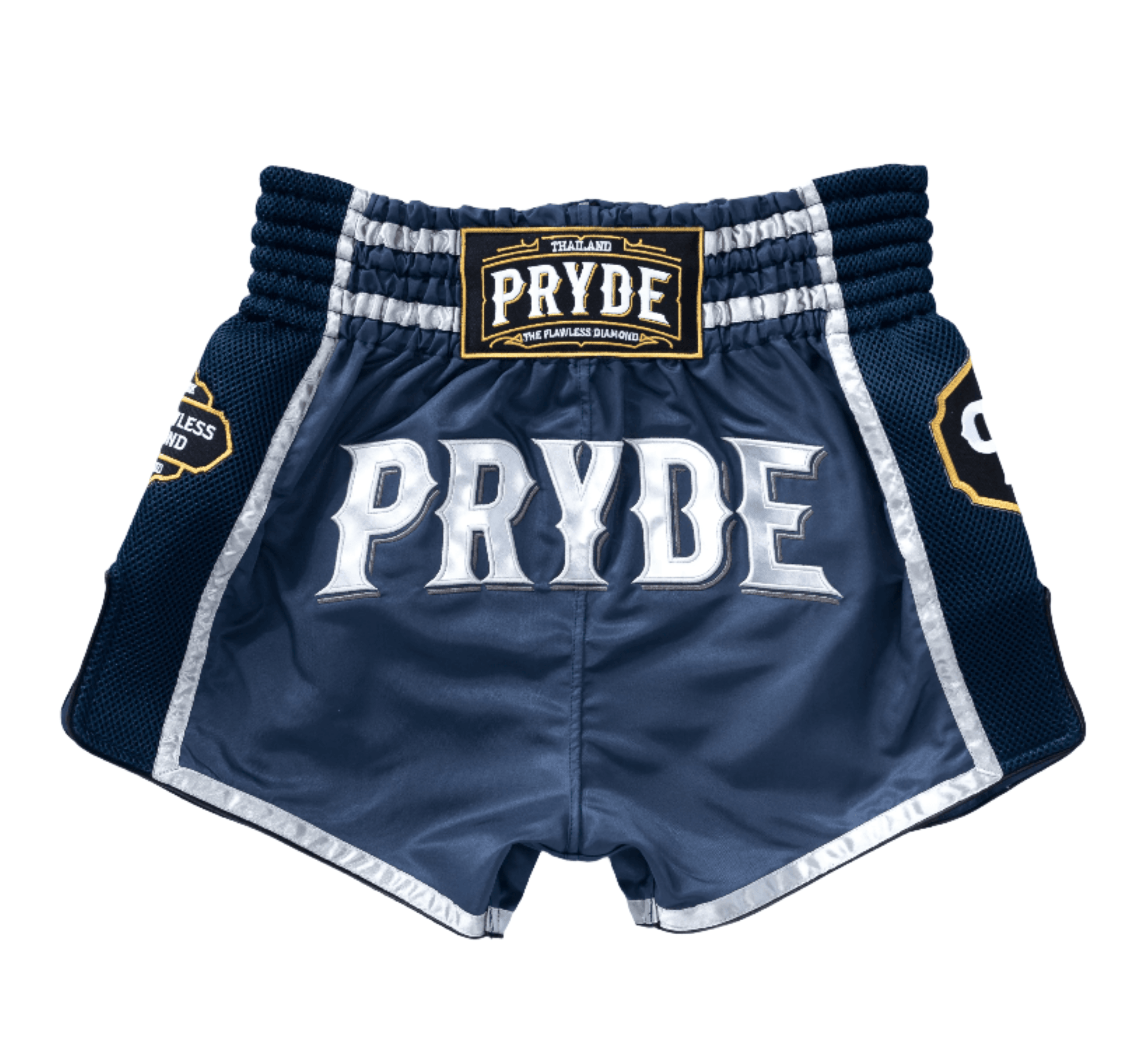
Mongkol build a straightforward premium glove with no elaborate branding, and the fit is balanced enough to suit almost any hand. PRYDE run slightly more compact — closer to a Fairtex shape — with good wrist support, and are worn by Petchyindee fighters. SKS Empire use microfibre with four foam layers, which makes them light for their weight and effectively zero break-in.
For most beginners who plan to stick with it, this tier is the sweet spot.
Buy once — Fairtex, Twins Special, Top King and Primo

You do not need a premium glove to start. But if you already know you are going to train three times a week for years, buying at this level first is cheaper than buying twice.
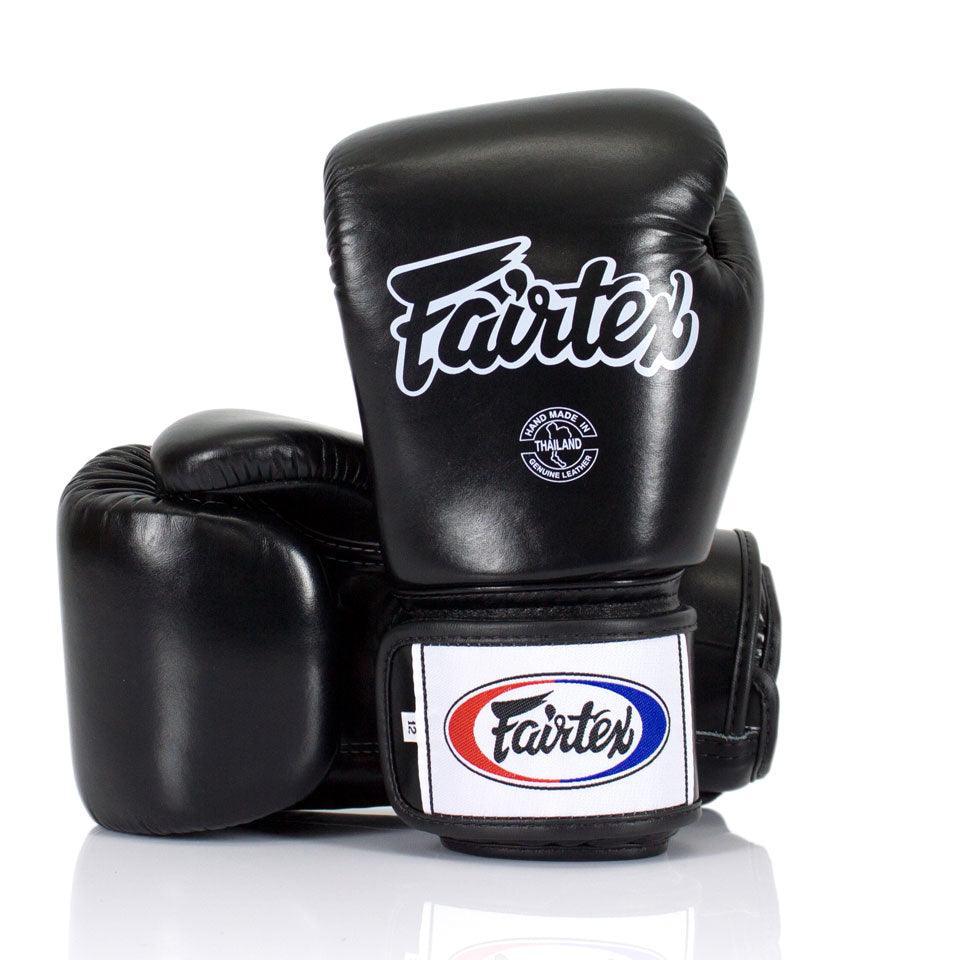
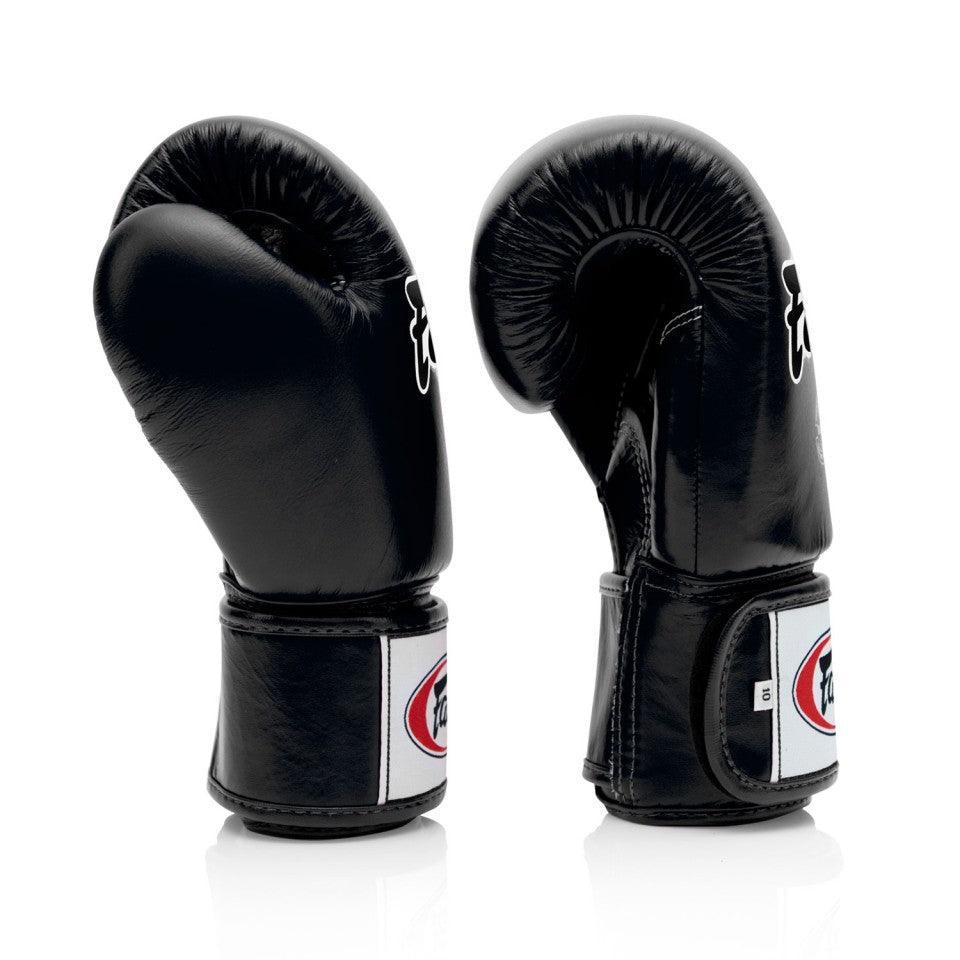
Fairtex and the BGV1 are the benchmark — compact, firm, and the shape every other Muay Thai glove is measured against; we cover it in full in our BGV1 review. Twins Special run roomier with thicker, softer padding, and are the better sparring glove of the two. Top King are plusher again. Primo use a longer cuff and a wider knuckle box, which makes them the pick if your wrists are a weak point.
We compare the two most-asked-about brands directly in our Fairtex vs Twins comparison.
What to avoid
- Anything discounted 50% or more below RRP. Counterfeits are a real problem in this sport, particularly with the best-known Thai brands. Check the price against three or four retailers — genuine RRP is remarkably consistent.
- Bag gloves as a first pair. They are light, minimal and built for speed on the bag. They are not sparring gloves and your gym will not let you use them as such.
- Lace-ups as a first pair. Better wrist fit than anything else, but you cannot put them on without help. Fine for competition, impractical for a fast paced Tuesday night class.
- Buying on colour alone. Fit varies enormously between brands at the same oz weight. Read the size guide first, then pick the colour you like from whatever fits.
- Skipping wraps to save money. The single most expensive false economy in the sport.
- Sizing down because a glove feels roomy in the shop. Judge fit with wraps on, always.
Looking after them from day one
What kills gloves is not impact. It is moisture.
Take them out of your kit bag after every session and open them wide so air gets inside. Never dry them on a radiator or in direct sunlight — heat cracks leather and breaks down foam. Wrap your hands every time. If you end up training more than three times a week, a second pair to rotate will make both last considerably longer than one pair used constantly.
For the full routine, including what to do when they already smell, read our guide to cleaning Muay Thai gloves.
FAQs
What oz gloves should a beginner get for Muay Thai?
16 oz. Most UK gyms set 16 oz as the minimum for sparring, and a 16 oz pair handles pads and bag work as well. It is the one weight that covers every session you are likely to do in your first year, which makes it the right single purchase.
How much should I spend on my first pair of Muay Thai gloves?
Enough to get a structured cuff and layered foam rather than a single block of it. Our entry tier does that, and will see you through a first year comfortably. Spending more buys leather, longevity and a specific brand fit rather than better protection on day one.
Do I need hand wraps as well as gloves?
Yes, from the first session. Wraps support your wrist and hold the bones of the hand together on impact, and they absorb sweat that would otherwise soak into the glove foam. They cost a fraction of the gloves and roughly double how long a pair lasts.
Are Muay Thai gloves different from boxing gloves?
Yes. Muay Thai gloves use a shorter, more flexible cuff so the wrist can move in the clinch, and the padding is spread across the back of the hand because you block kicks with your gloves. Boxing gloves concentrate padding at the knuckle and use a longer, stiffer cuff.
Can I use one pair for both sparring and bag work?
To start with, yes — a 16 oz pair does both. Once you are training regularly, a separate lighter pair for bags and pads is worth it. Heavy bag work compresses foam faster than partner work, and sparring gloves stop protecting your partner long before they look worn.
Where to start
If you want the short version: 16 oz, wraps in the same order, and buy from the tier you can comfortably afford rather than stretching to the most expensive pair on the page.
Browse the full Muay Thai gloves collection, or if you are still building the rest of your kit, our Muay Thai equipment guide for beginners covers everything else you will need.
Not sure what fits? Send us your hand measurement and what your gym expects for sparring, and we will point you at the right pair.