Filter
Sort by:
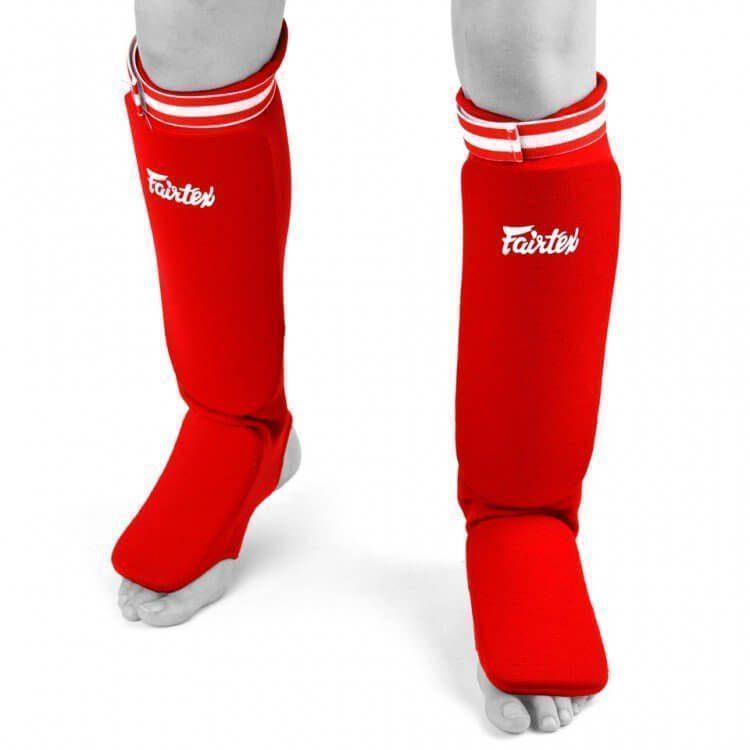
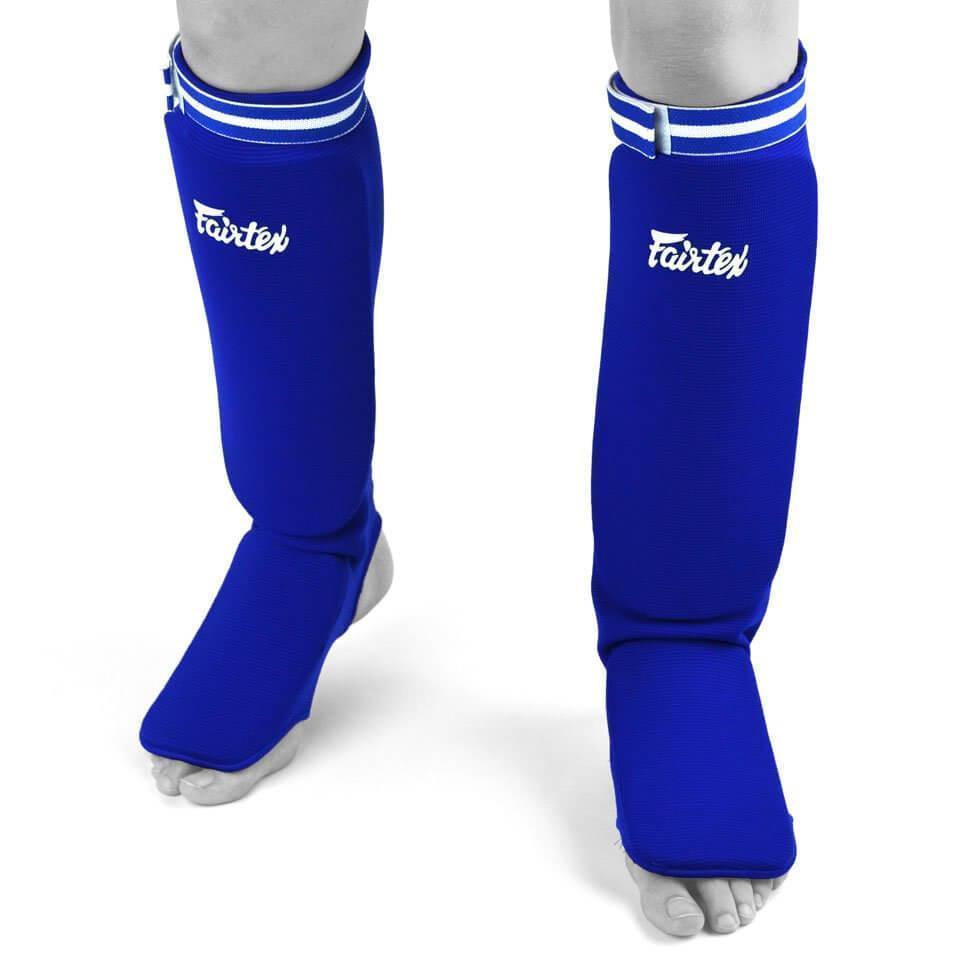
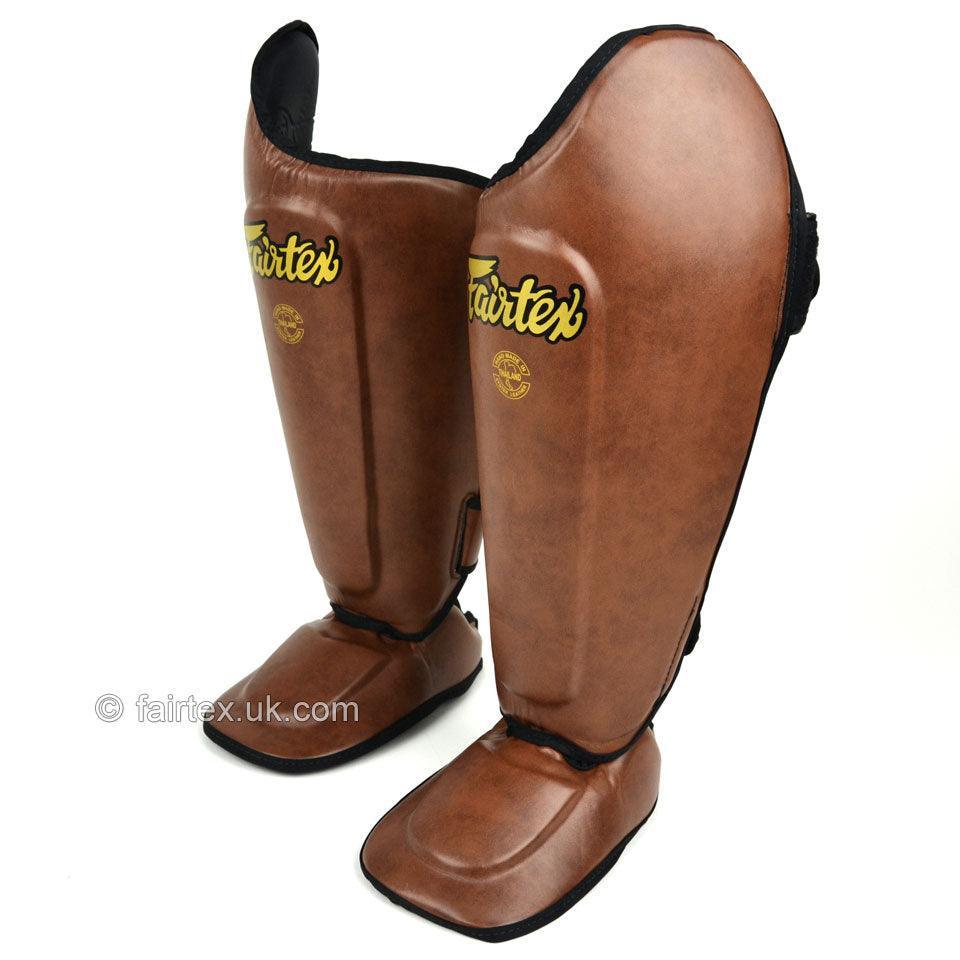
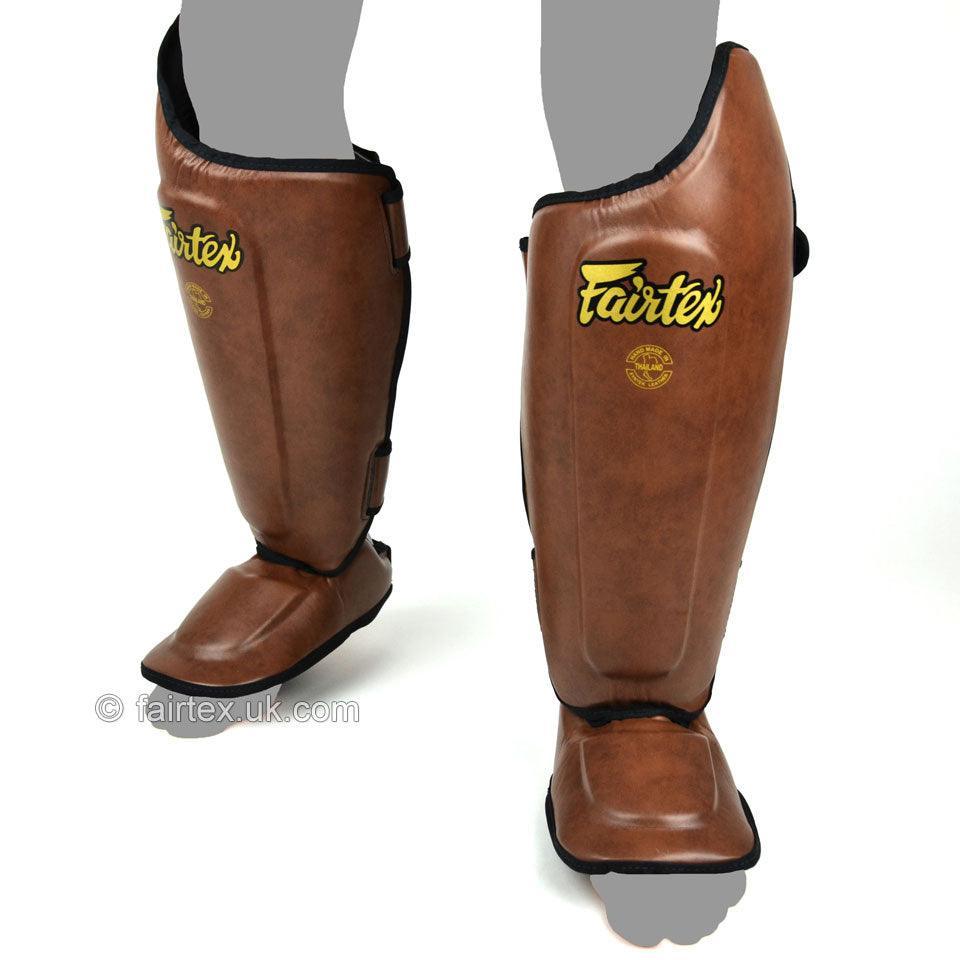
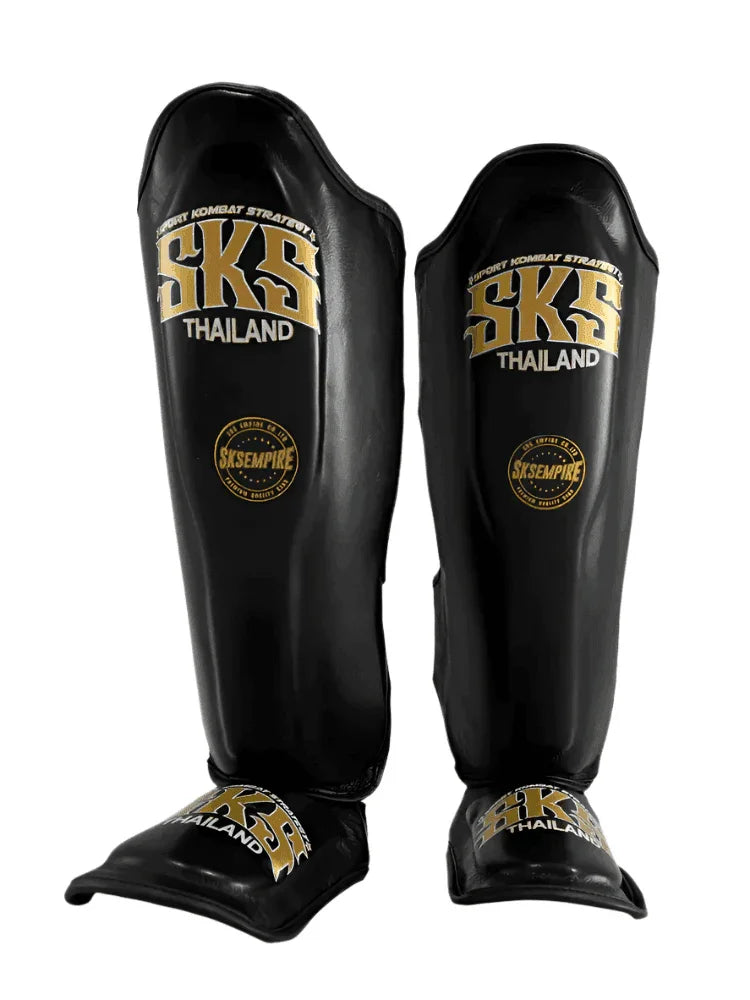
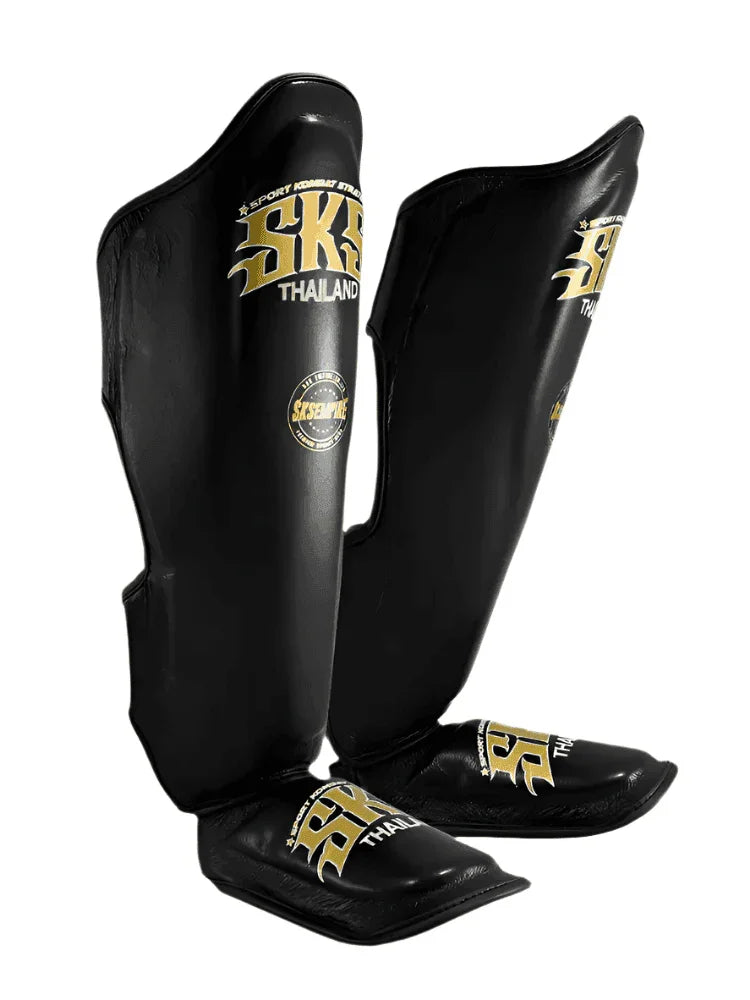
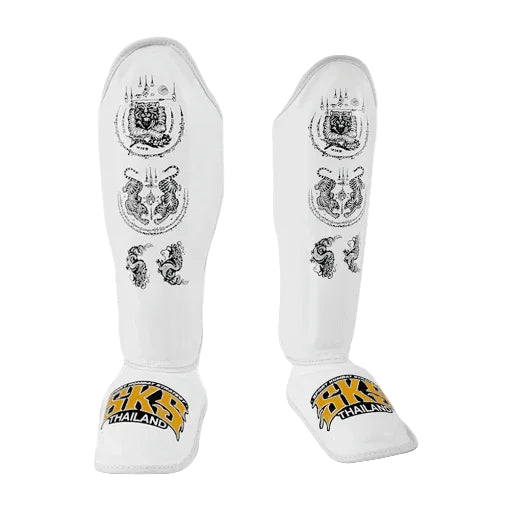
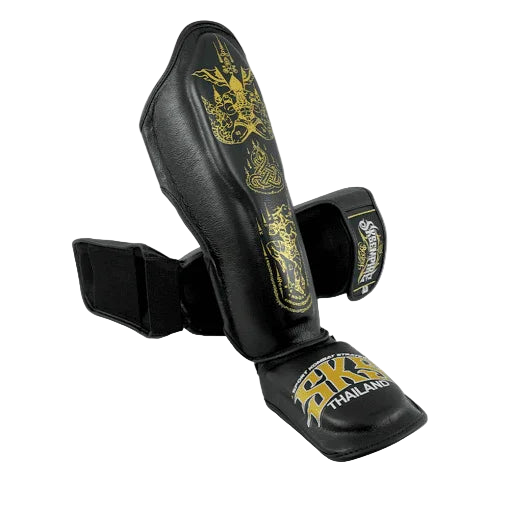
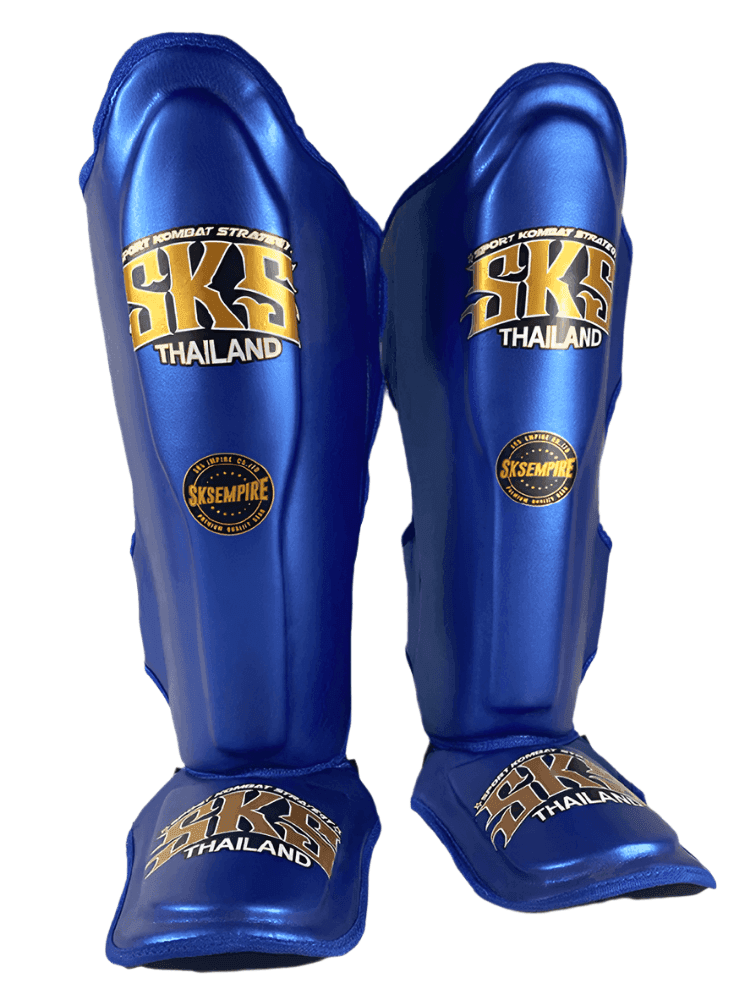
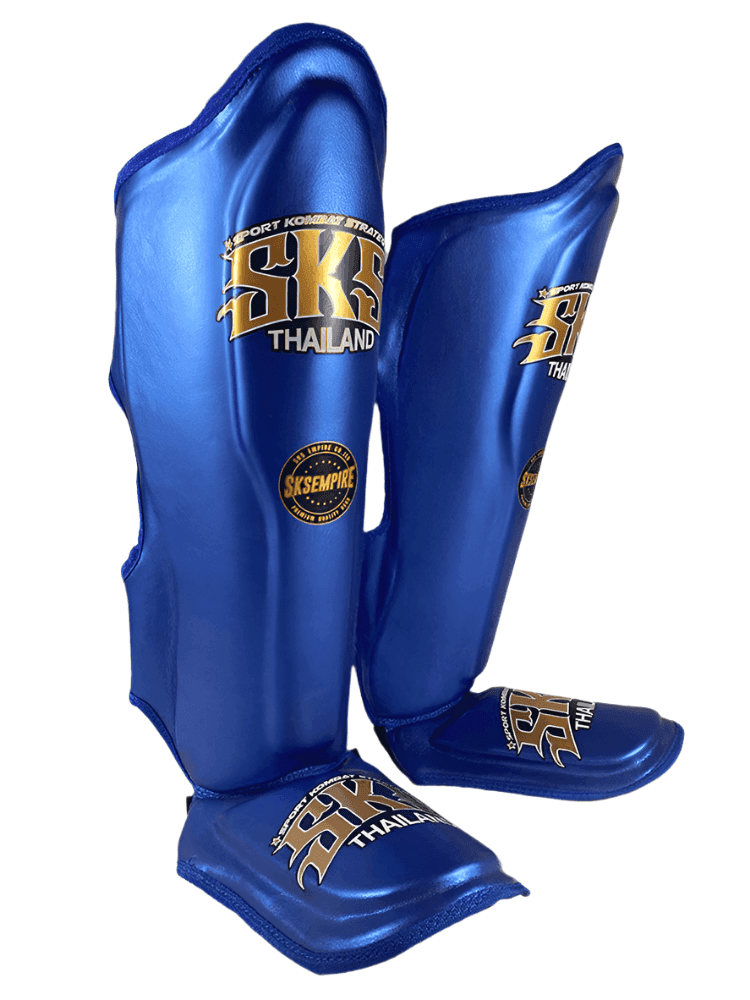
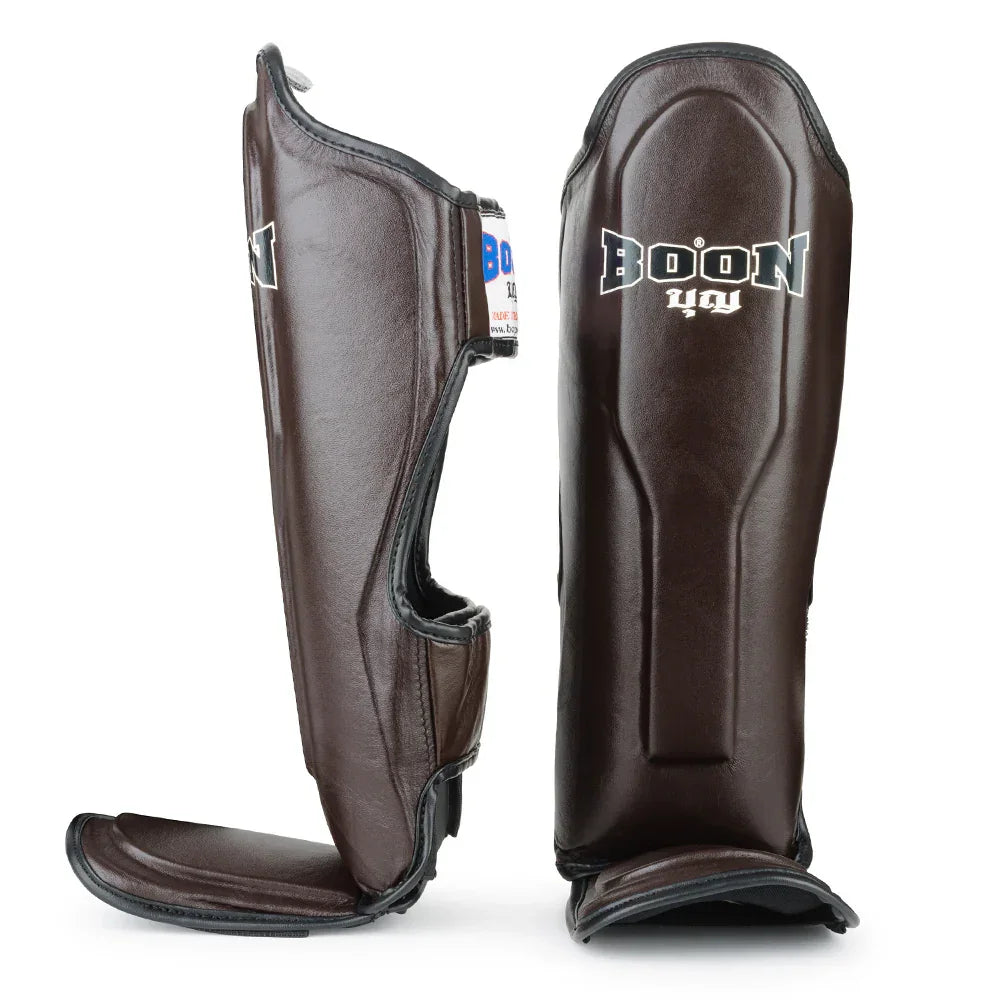

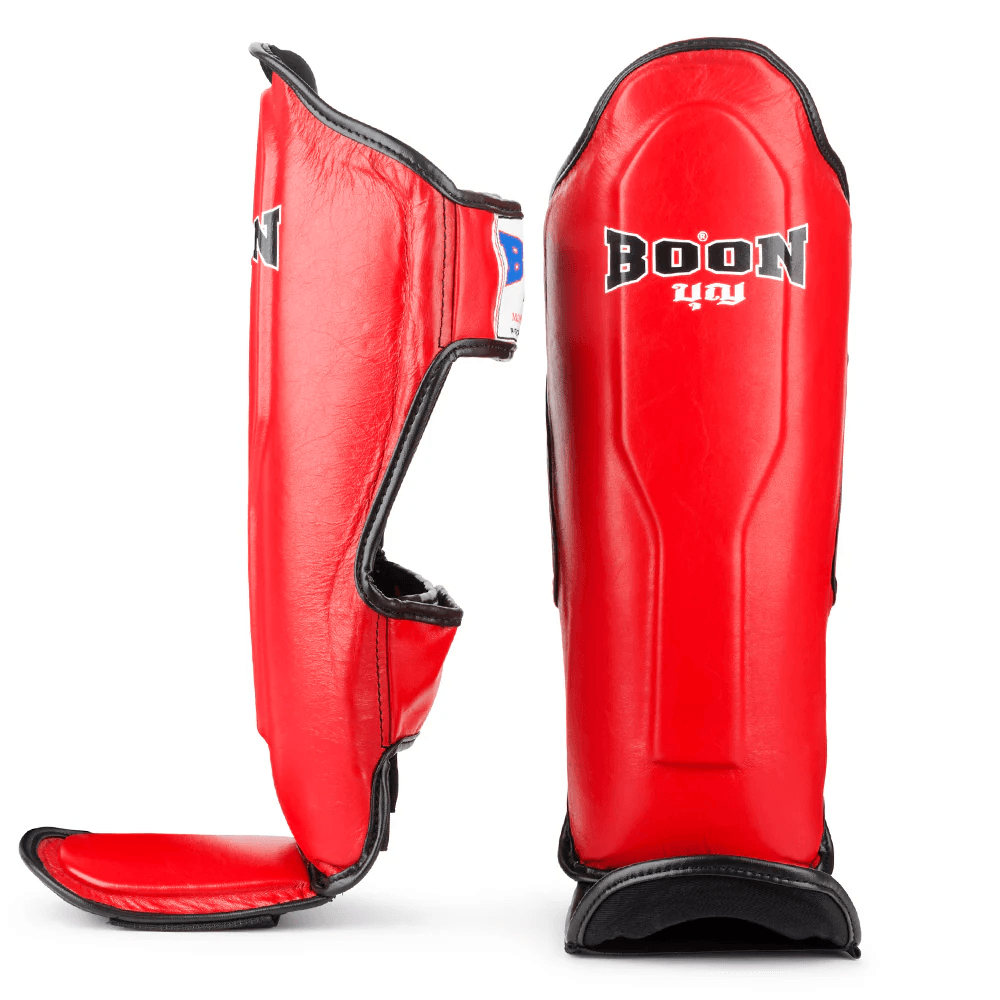
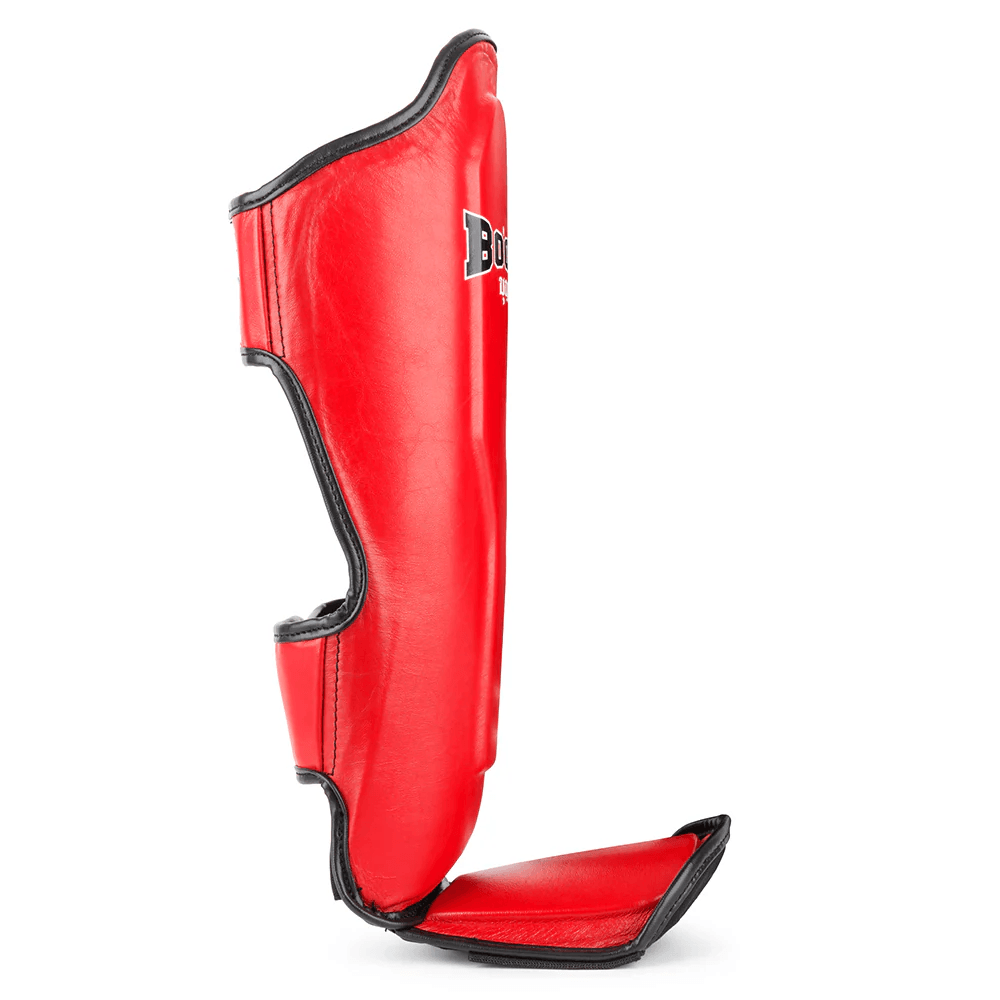
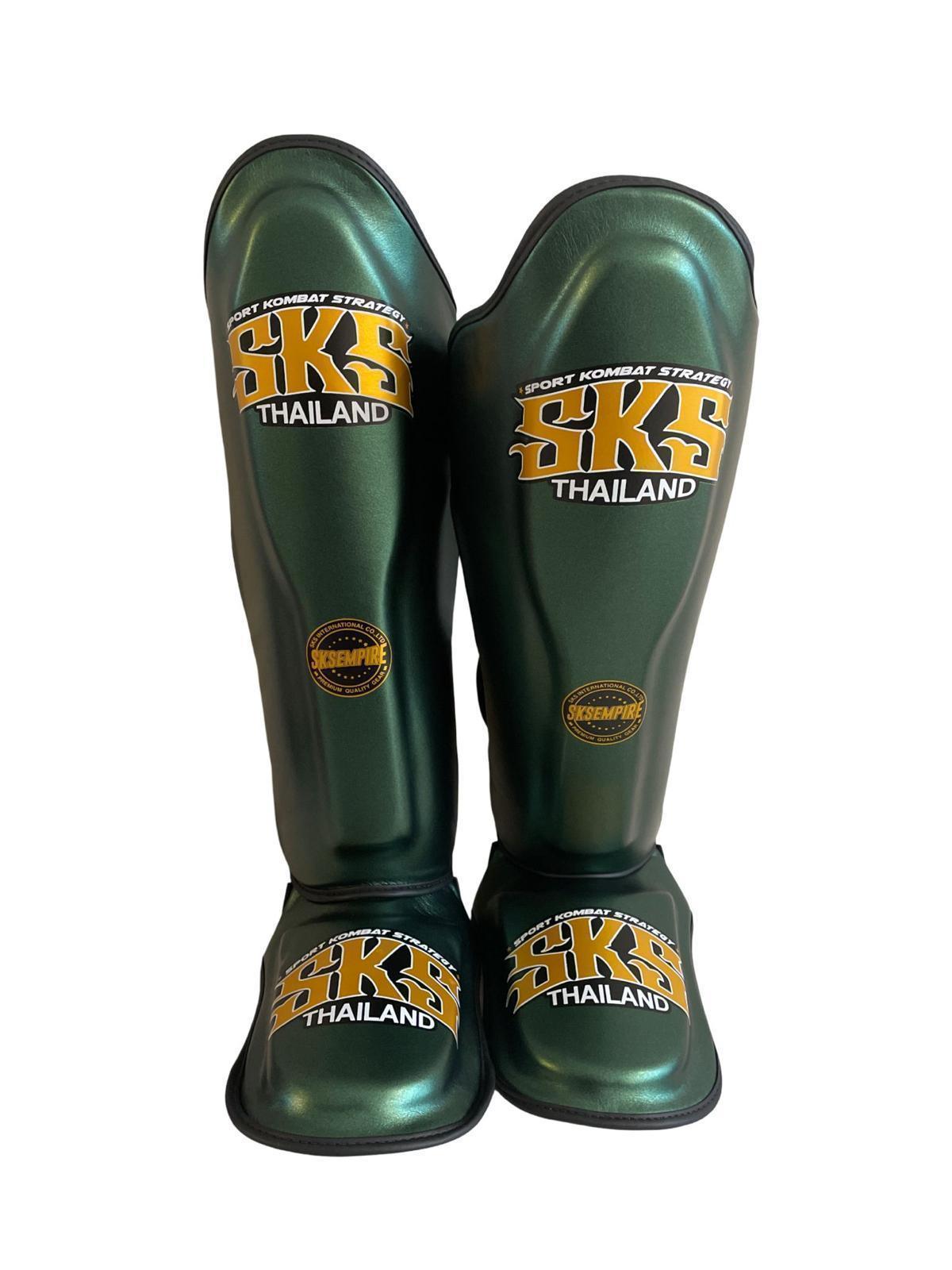
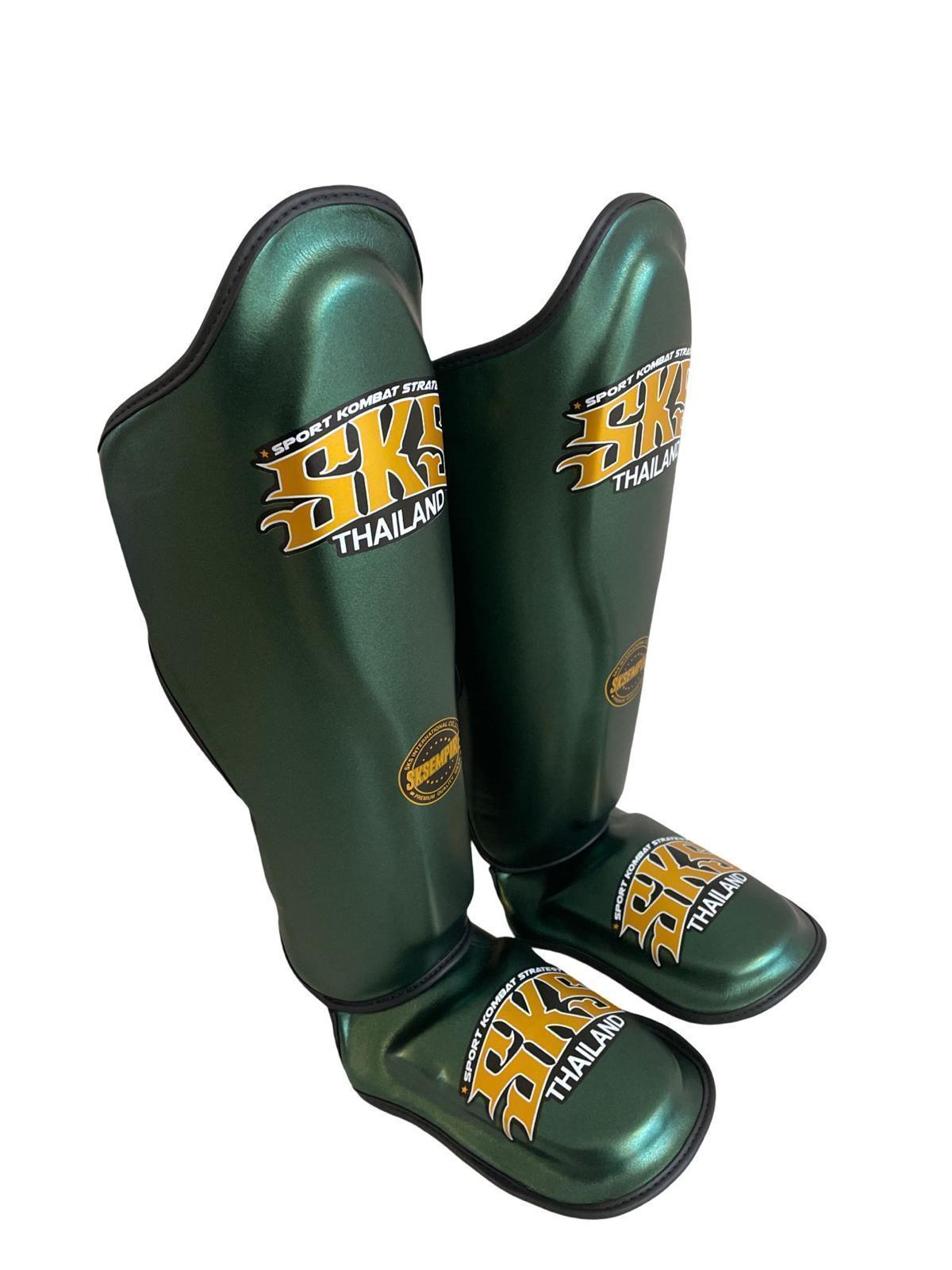
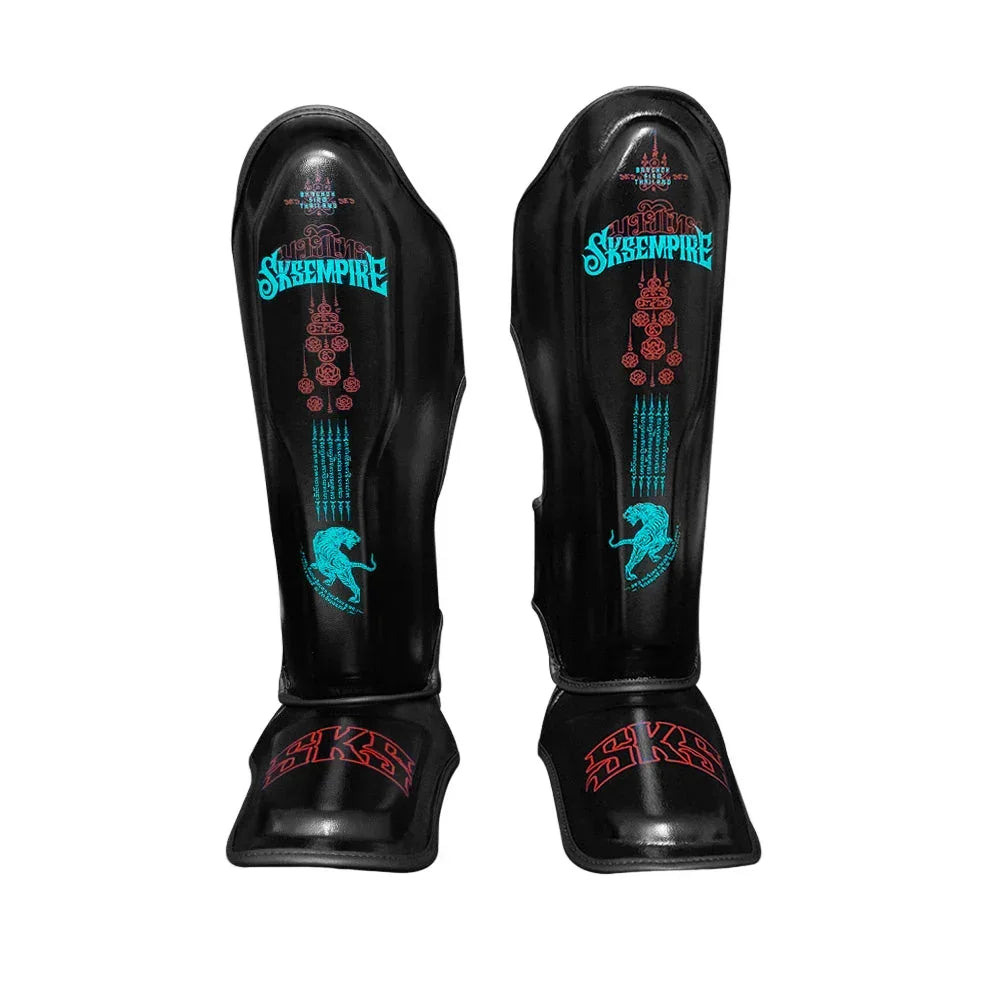
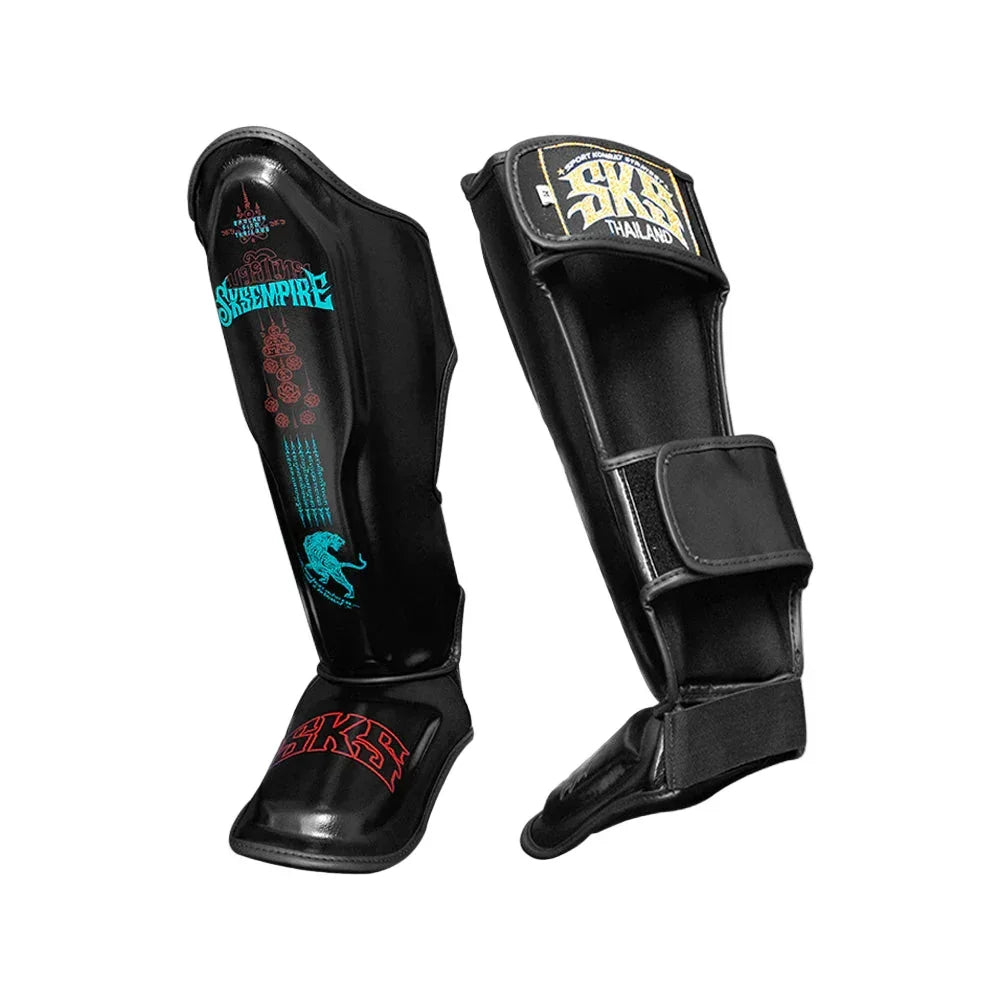
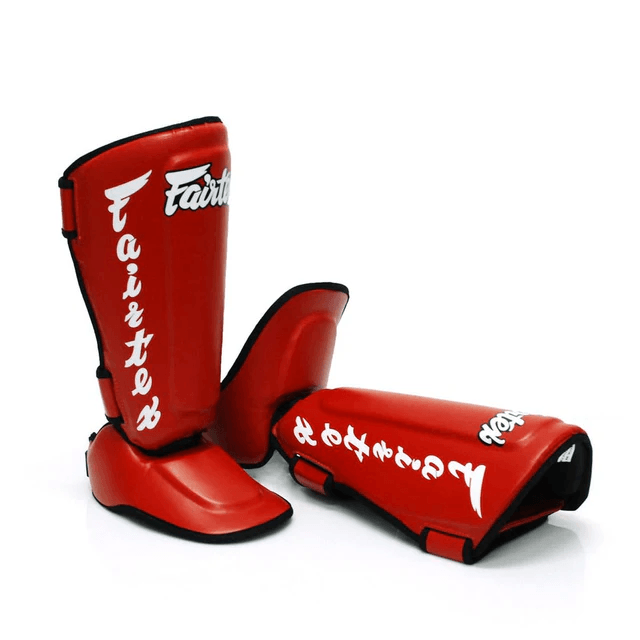
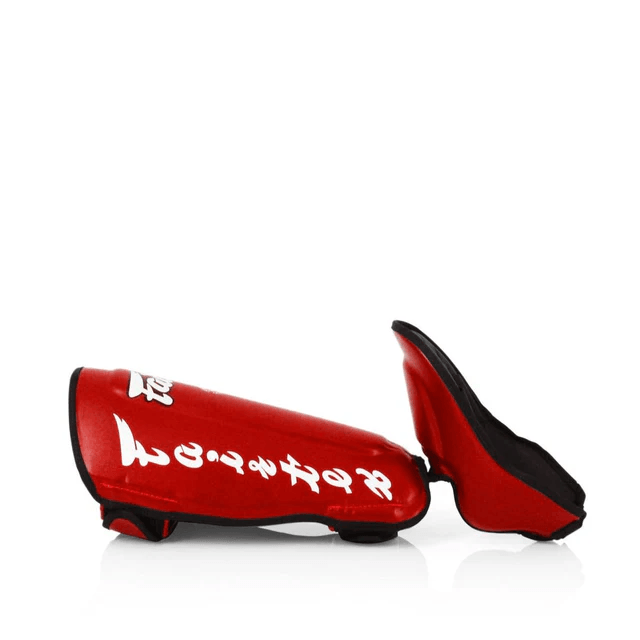
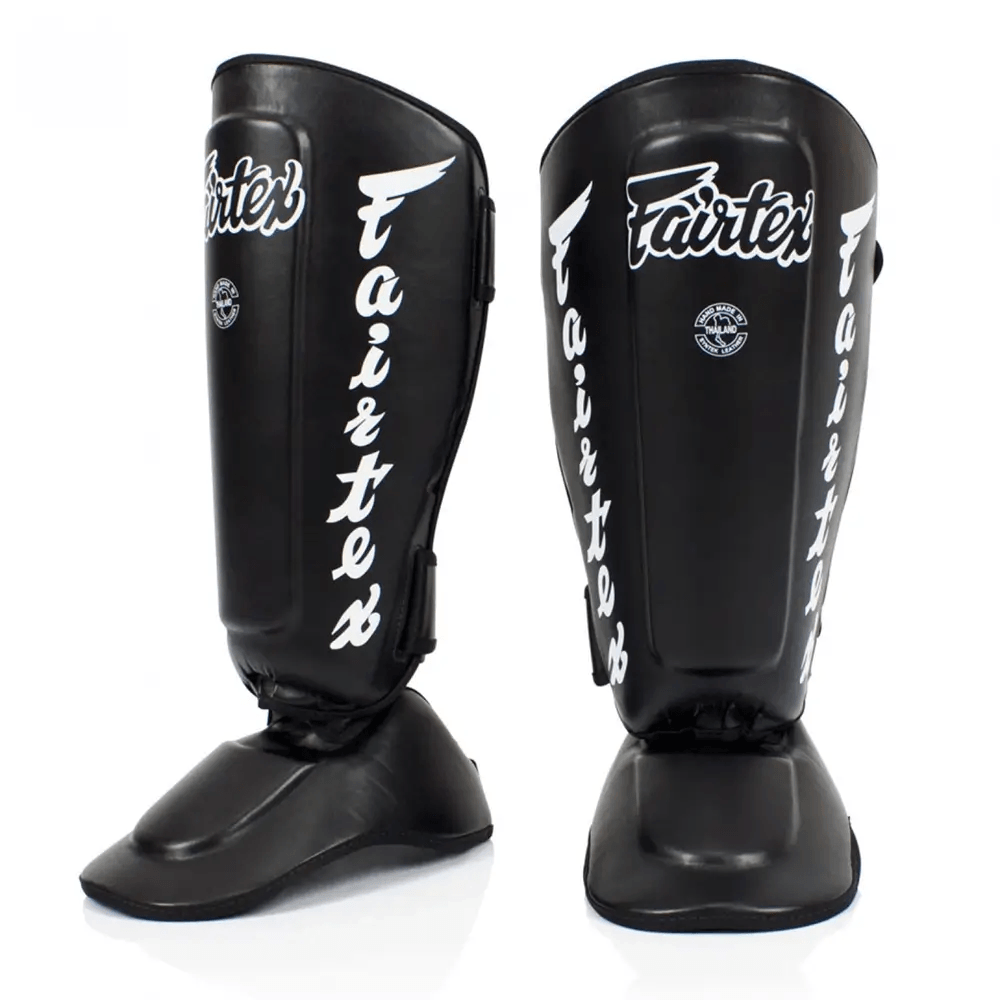
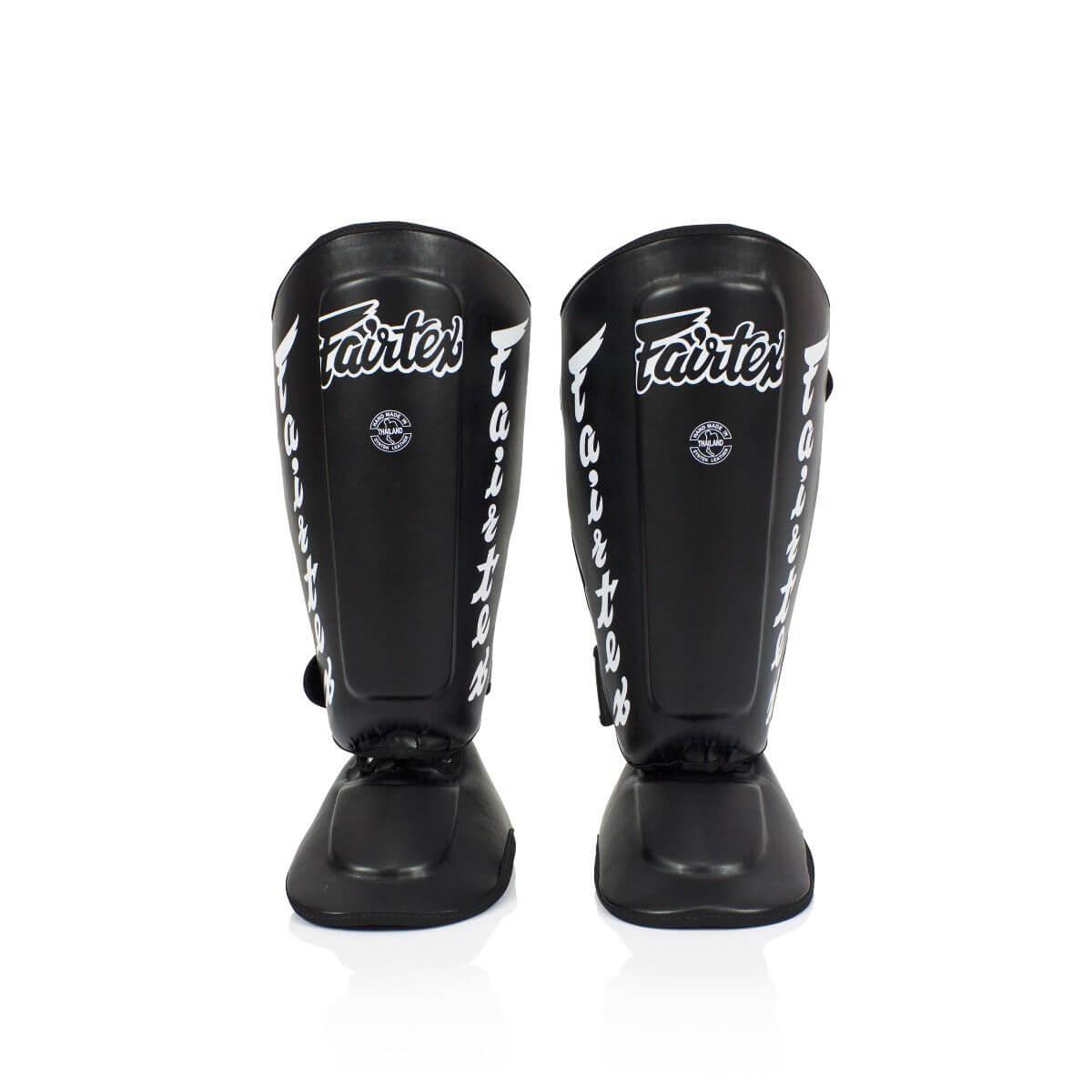
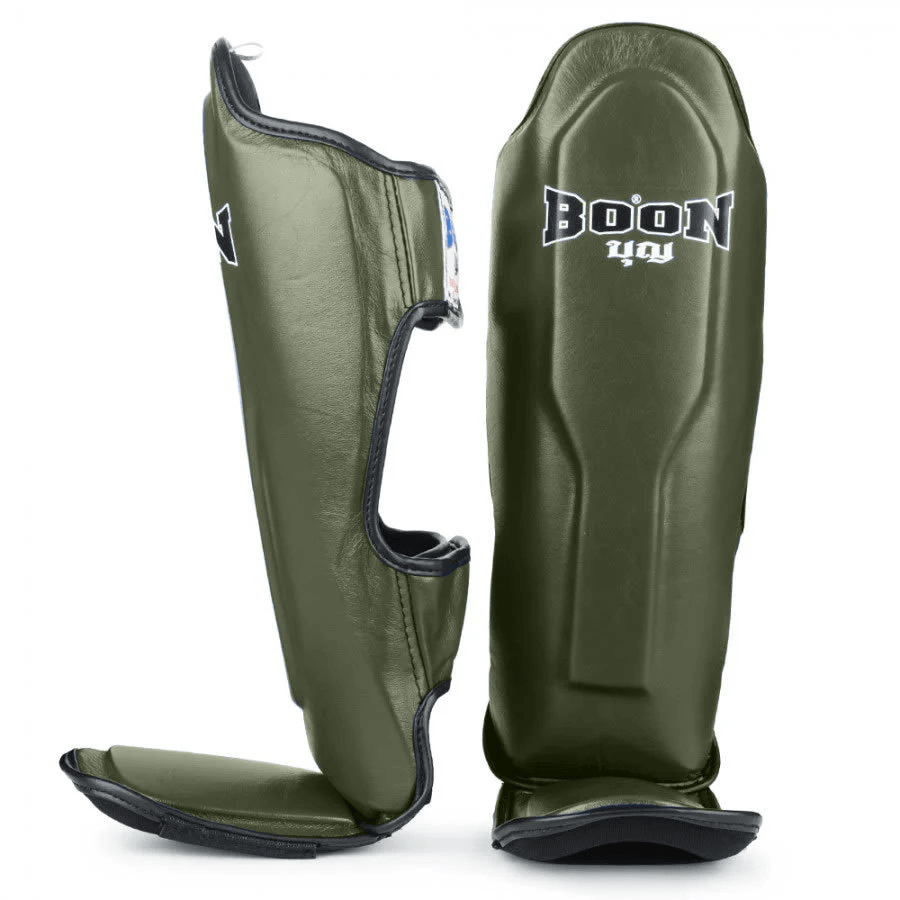
Muay Thai Shin Guards
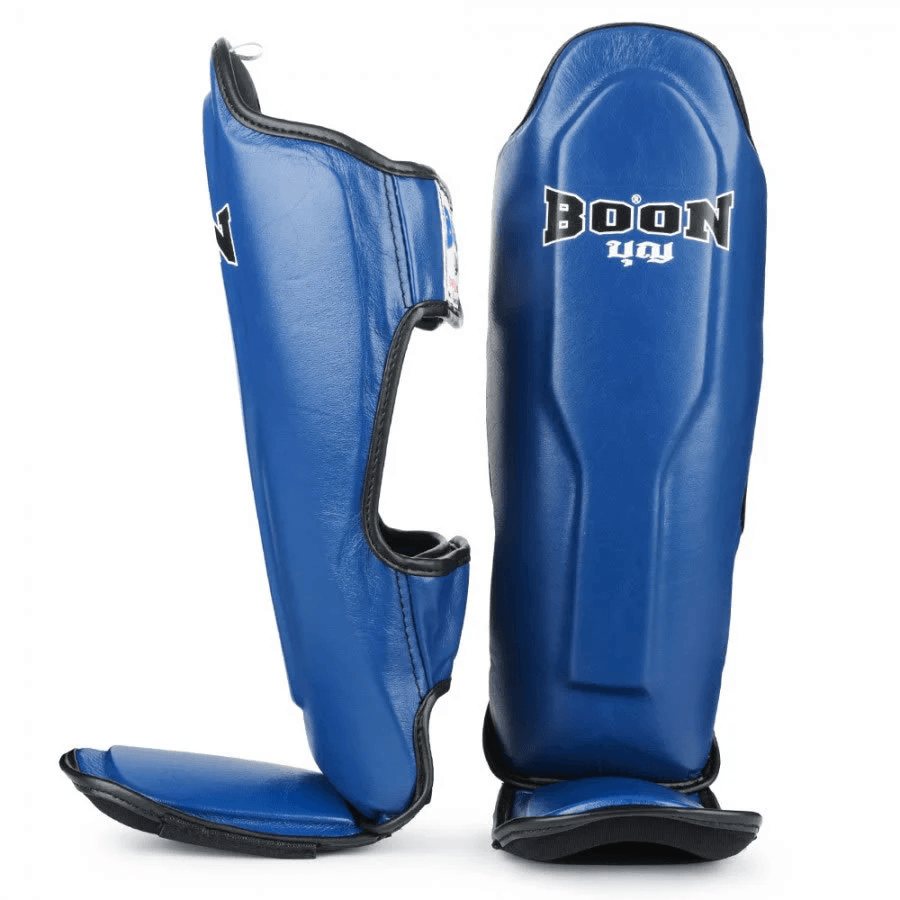
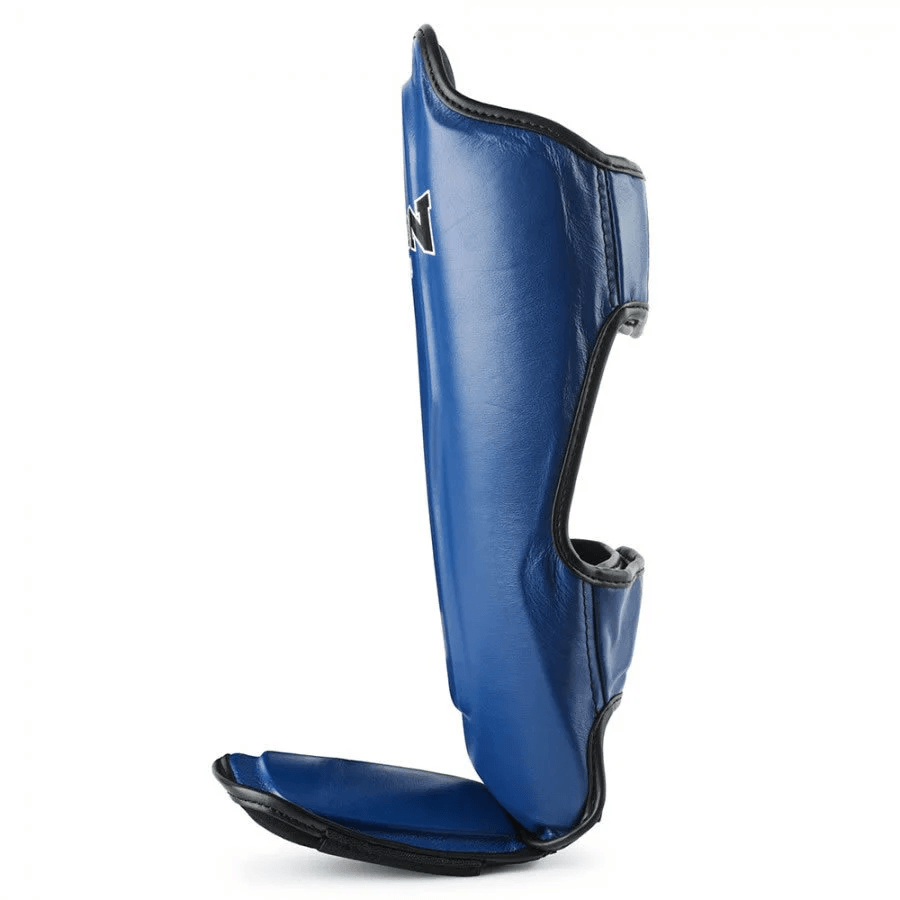
Shin guards stop being optional the first time you check a low kick without them. They protect the shin bone and the instep — the top of the foot, which is the most vulnerable thing you own when you throw a kick — and they protect your training partner just as much as they protect you.
Get the size wrong and you will spend every round hitching them up, cursing the straps and thinking about your equipment instead of your technique.
Getting the size right
Ignore the height columns on size charts. Every brand builds theirs differently — a 5'10" fighter is given a completely different shin length by Fairtex, SKS Empire and Mongkol. Measure your own leg instead, and match the numbers.
Shin length. Sit with your leg bent at 90 degrees. Measure from the bottom of your kneecap to the top of your foot.
Calf circumference. Measure round the thickest part. As a rough guide:
- Under 33cm — narrow or standard fit
- 33–40cm — standard fit
- Over 40cm — wide fit, or size up. The Fairtex SP5 series caters better to wider calves than most.
Shin guards are hand made, so expect 1–3% variance even within a size. And when you are genuinely between two sizes, size up. Slightly large guards still protect you and can be tightened with the straps. Undersized guards become unbearable within a round.
Our Muay Thai shin guard size guide has the full method, the brand charts side by side, and how to fix a pair that is not sitting right.
How to tell they fit
- They stay put through a round without being hitched up
- Padding sits flush against the shin bone — press it, and there should be no gap
- Your knee bends freely; the guard sits just below the kneecap
- The instep protector covers the top of the foot without bunching at the ankle
- You can teep, check and shuffle without anything pinching or rotating
If the guard rotates on impact, the straps dig in, or your foot goes numb, the fit is wrong — not the brand.
Shin guards for children
The Fairtex SPK9 is built for ages 8 to 12, and there is one detail that matters more than any other: it has no metal loops on the straps.
That removes a hard metal edge from a piece of equipment whose entire job is to crash into another child's shin — and it is what makes the SPK9 legal for amateur competition. Not every children's guard is.
Measure the child's shin length rather than going by the age label, and resist the urge to size up for growing room. A guard that slides does not protect the shin.
See the full kids' range.
The Fairtex range, explained
Fairtex make more shin guards than anyone and the model numbers do not explain themselves.
- SP5 — the workhorse. Better suited to wider calves than most guards on the market.
- SP6 — neoprene, MMA style. Lighter and more flexible, less protective.
- SP7 — detachable instep protector.
- SP8 — thicker, contoured padding. A strong choice for beginners still learning to check properly.
- SP9 Ultra Ergo — the open system. Stitching-free joints let the shin and toe sections move independently through up to 180 degrees, so the guard follows the foot instead of twisting against it. Not detachable, unlike the SP7.
- SPK9 — the kids' guard. Ages 8 to 12, no metal loops, competition legal.
Velcro straps or sleeve?
- Velcro — the default, and the right answer for most people. Look for two straps, one below the knee and one round the calf. A single strap lets the guard rotate on impact.
- Sleeve — slips on like a sock. Feels secure and is used in amateur competition, but offers less protection than a strapped guard, and is genuinely difficult to pull on when you are already sweating.
Leather or synthetic?
Leather is more durable and moulds to your leg over time, but costs more and needs looking after. Synthetic is cheaper, easier to clean, and perfectly good for most training.
Foam density matters more than the outer material. A high-density foam that absorbs impact without bottoming out will protect you better than an expensive leather shell wrapped round cheap padding.
If they are new to you
Beginners are still developing their checking technique, which means taking more kicks on a less conditioned shin. Go for thicker or contoured padding while you learn — the Fairtex SP8, the Top King Pro and the Mongkol standard guards are all built for this. Once your shins condition and your checks sharpen, you can drop to something lighter and more mobile.
Making them last
Wipe them down after every session and use an anti-bacterial spray. Never soak them — water wrecks the padding and the material. Air them somewhere dry and ventilated between sessions rather than sealing them in a kit bag.
FAQS
How should shin guards fit?
Check the individual size guides for each model and brand to be sure of the best size.
How do you choose shin guards for Muay Thai?
We recommend getting a pair of semi-leather or leather pair for your drill work and sparring. These have more secure fastenings that slip-on shin guards and are best for maximising protection.
How to clean Muay Thai shin guards?
For more details on how to clean your Muay Thai gear, check out our article on How To Clean Muay Thai Gear.