
For your first class you need almost nothing: shorts you can move in, a t-shirt, and a bottle of water. Most gyms lend gloves to new starters so don't feel you need to invest in anything before you're sure you want to go back and train regularly.
After that, the order looks like this.
Week one:
- Hand wraps
- A mouthguard
Within the first month or so:
- Your own gloves, 16oz
Once you start partner work:
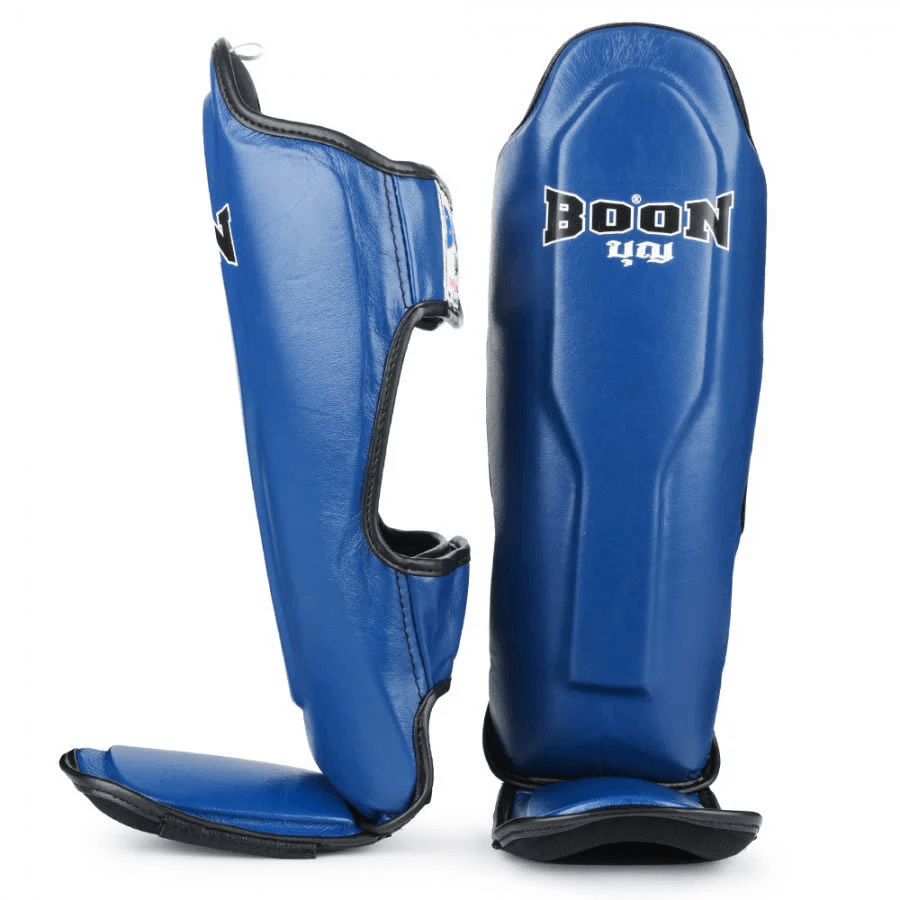
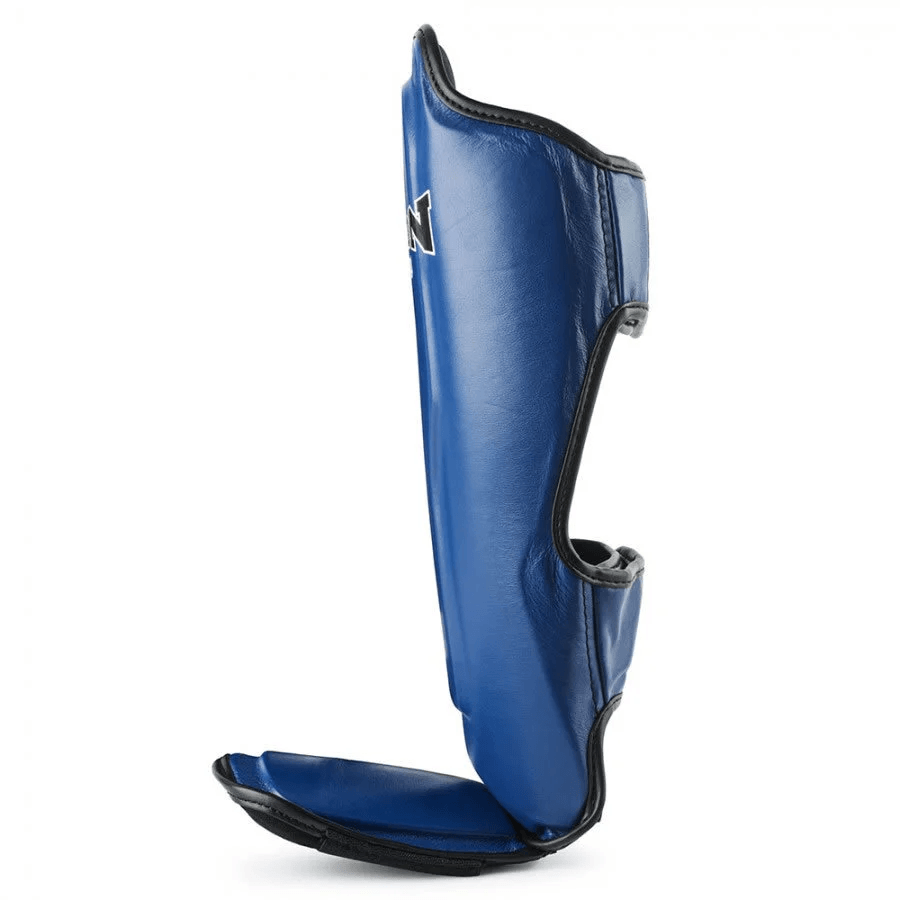
- Shin guards
- A groin guard
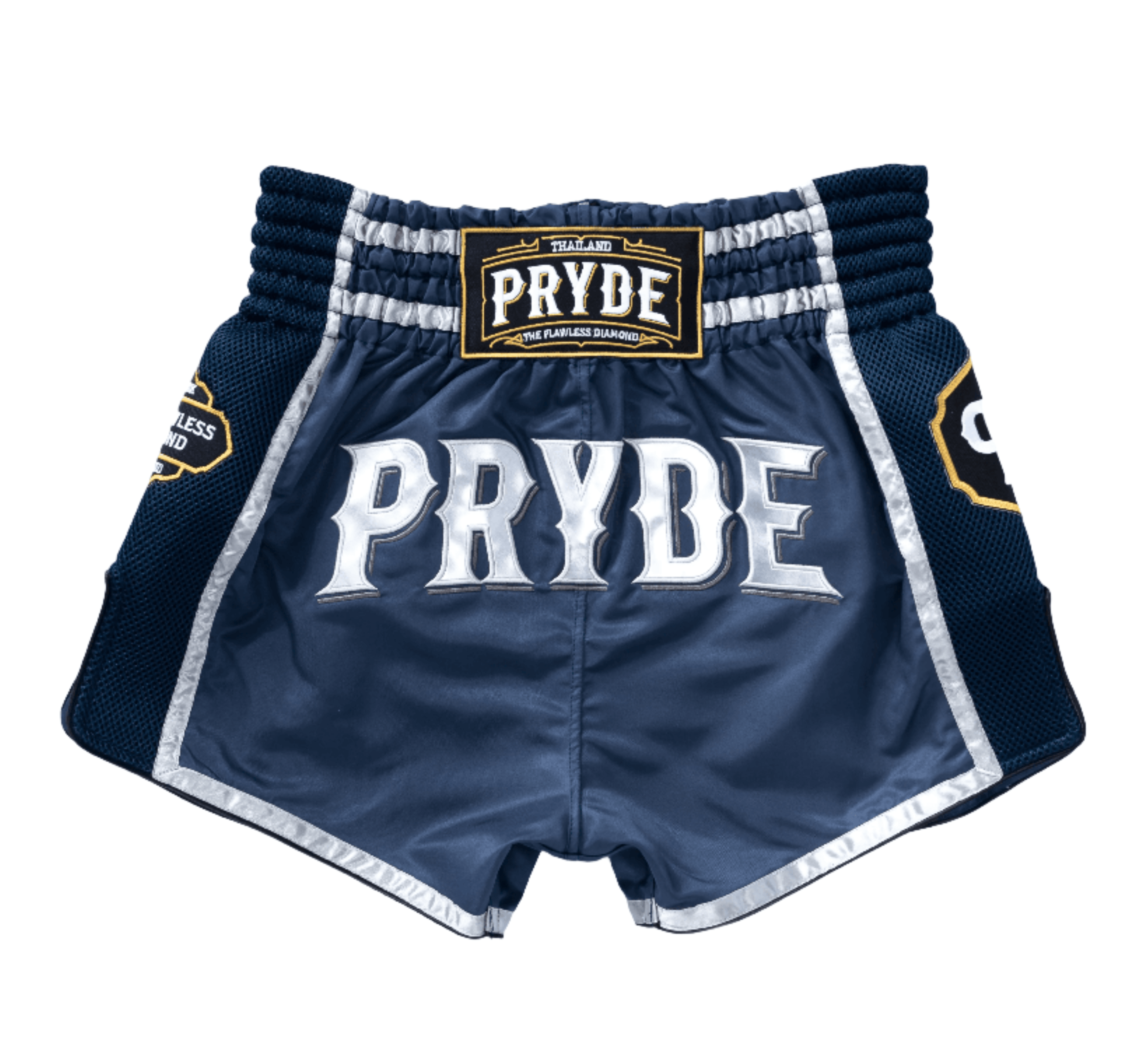
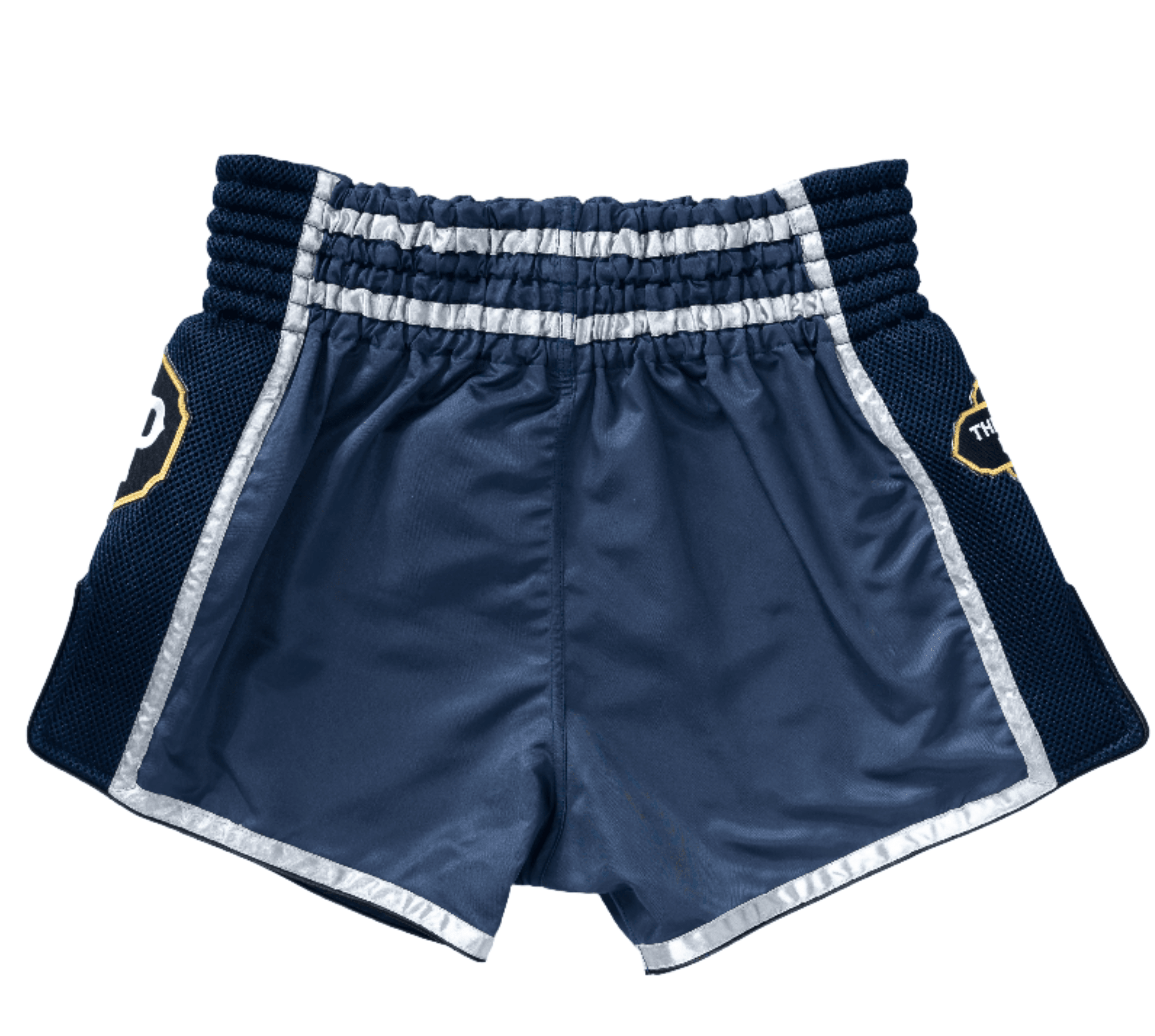
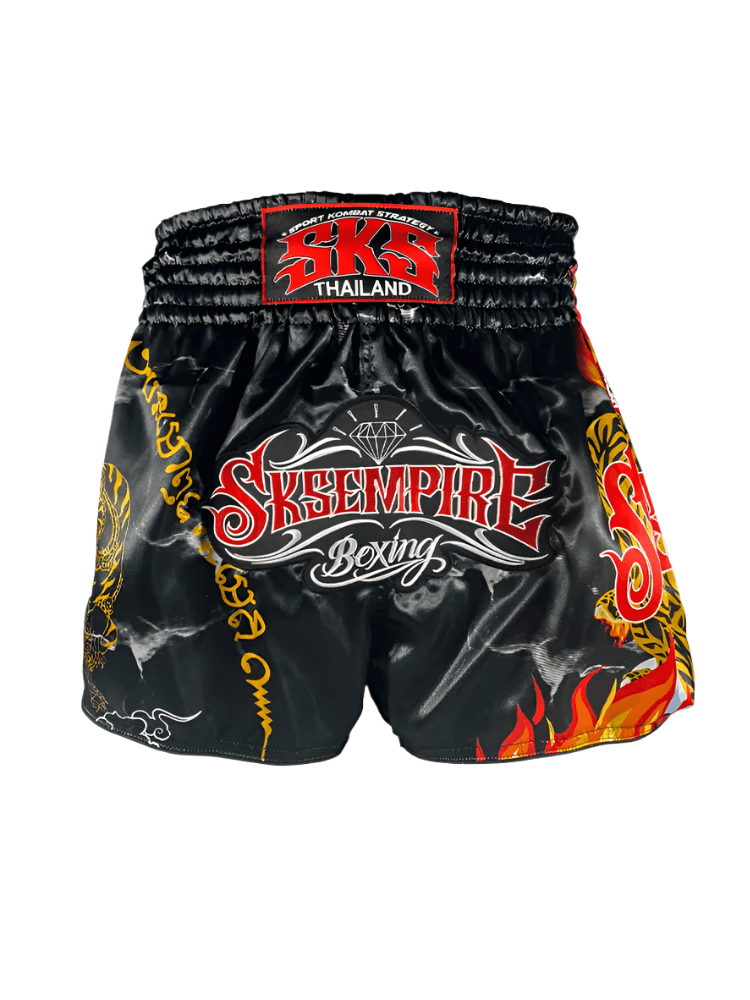
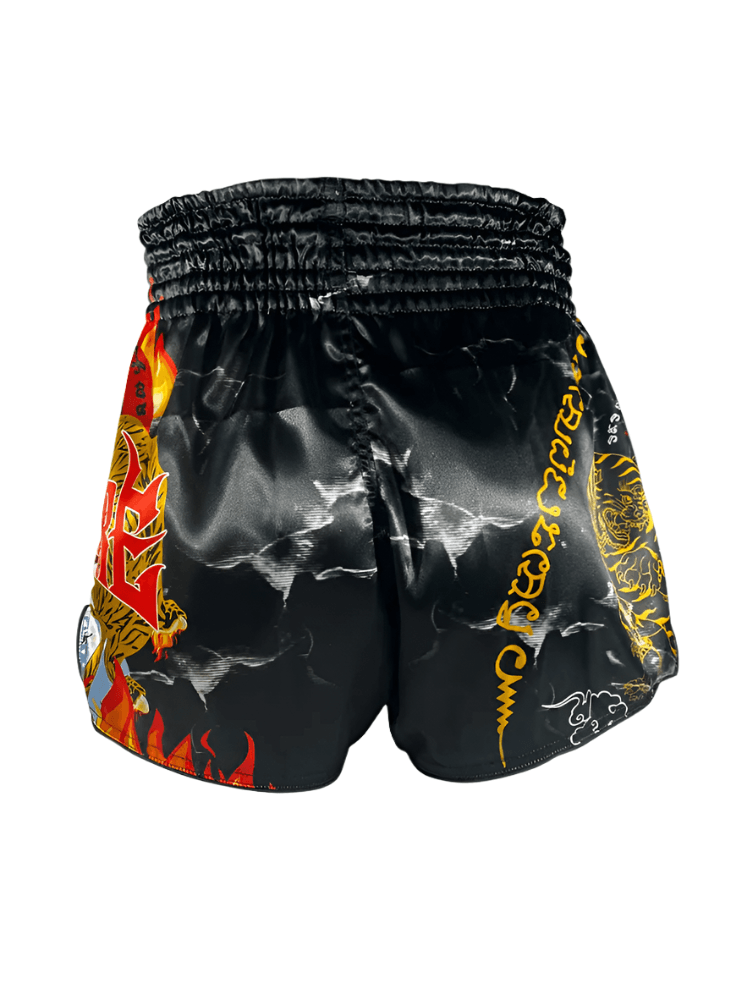
- Muay Thai shorts, once you know you are staying
That's pretty much it for most people that train. There are other bits you can add but they're optional.
The rest of this guide covers what each item is actually for, what to skip, and the part most equipment lists leave out entirely — what the first month is like, and how not to be the person everyone avoids in sparring.
What you actually need on day one
Less than you think. Turn up in athletic shorts and a t-shirt, bring water, and make sure your feet are clean with toenails cut.
Don't overlook the last one. Muay Thai is trained barefoot, on a shared floor, and clean feet are the first piece of gym etiquette anyone notices.
Almost every gym keeps loaner gloves for beginners. They will be worn, they will be slightly damp, and they will do the job for a few sessions while you work out whether you are coming back.
No need to kit yourself out before your first class. A depressing amount of barely-used Muay Thai gear gets sold second-hand by people who bought everything up front and stopped going in week three. Go once. Go again. Commit. Then buy.
The kit, in the order you will need it
The question of what equipment you need for Muay Thai has a different answer in week one than it does in month three, which is why buying everything at once is a mistake.
Week one: hand wraps and a mouthguard

These two are cheap, immediately useful, and the only things worth buying before you own gloves.
Hand wraps support your wrist and protect the small bones across the back of your hand. Standard wraps are 180cm and suit most adults. Longer 4.5m wraps let you build more volume around the hand and wrist, which helps if your hands are on the smaller side or your gloves feel hollow inside. Our Muay Thai gloves size guide covers that in more detail.
When you know you're going to commit to the sport, buy two pairs so you can rotate in the week. Wraps hold sweat, and a damp pair from Tuesday is not something you want on Thursday. Browse hand wraps in both lengths.
Learning to wrap properly takes a few goes. Ask a coach to show you rather than copying a video, and read our guide to looking after your hands and wrists for why it matters more than it looks like it should.

A mouthguard protects your teeth and jaw, and it is not optional the moment there is any contact to the head. A boil-and-bite guard is perfectly adequate to begin with, and a dentist-made one is more comfortable if you stay with the sport. Either way, do not skip it: a single dental bill costs many times more than the most expensive guard on the shelf. See our mouthguards.
Month one: your own gloves

Gloves are the biggest decision you will make.
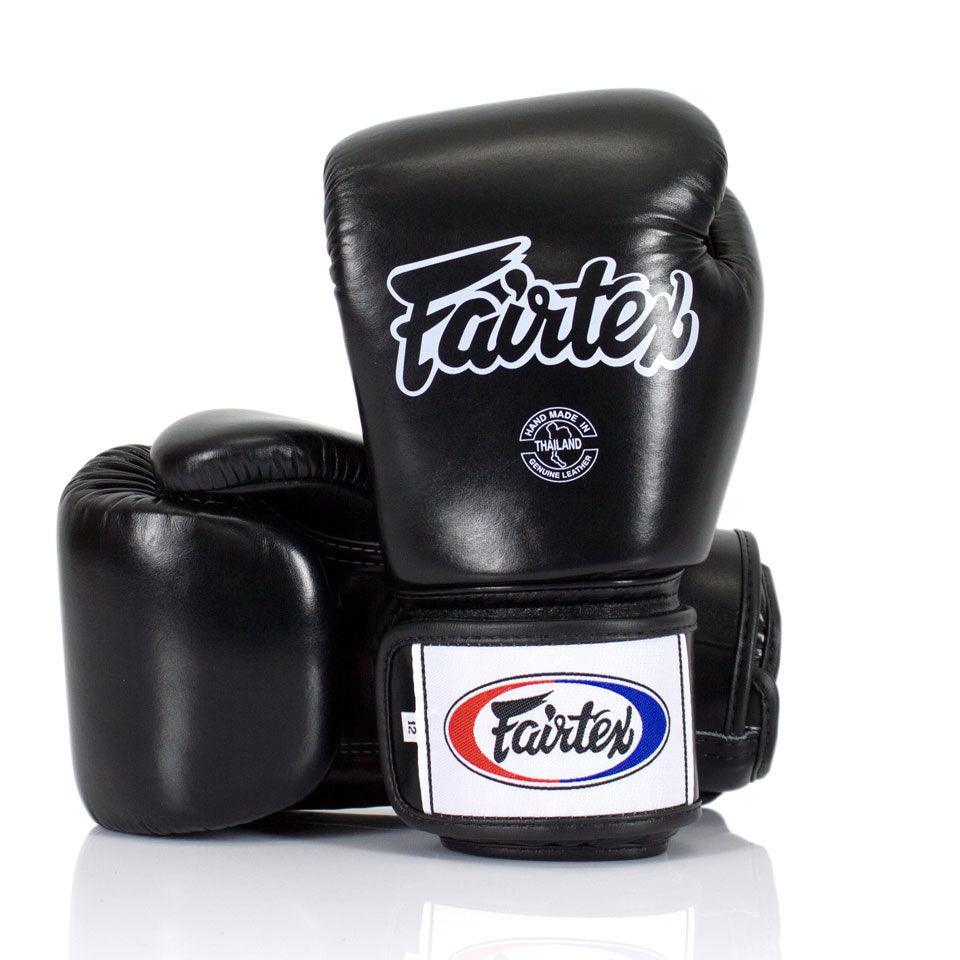
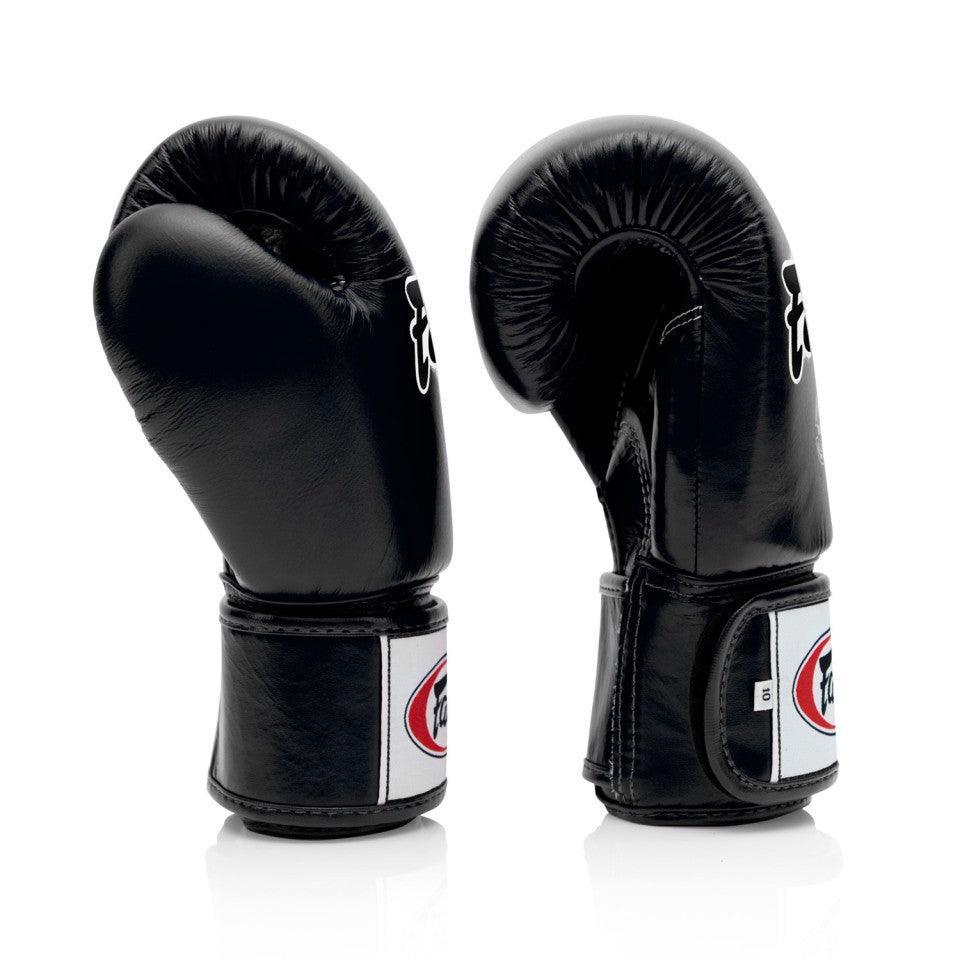
Buy 16oz. Most UK gyms set 16oz as the minimum for sparring, and a 16oz pair still handles bag and pad work perfectly well while you work out what suits you. One pair covers everything at this stage.
For reference, here is what the weights are actually for:
- 8oz — typically competition
- 10oz — pad work, heavy bag, speed drills
- 12oz — pad work and heavy bag for most adults
- 14oz — versatile: pads, bag, light sparring
- 16oz — sparring, drill work, and the right all-purpose first pair
Muay Thai gloves differ from boxing gloves in ways that matter here. The cuff is shorter so you can move your wrist in the clinch, the padding is spread across the back of the hand because you block kicks with your gloves, and the palm is more open. Boxing gloves work fine for a few weeks, but if you are buying once, buy Muay Thai gloves.
Fit is judged with your wraps on, not bare-handed. Our gloves size guide covers how each brand fits differently, and our best gloves for beginners narrows it down if you would rather be handed an answer.
Months two to three: shin guards and a groin guard

These arrive when partner work does. Many gyms will not let you spar without them.
Shin guards protect your shins and your partner's body. They should cover from below the knee to the end of your toes, sit flush against the shin bone with no gap, and stay put when you move. Our shin guard size guide walks through measuring and the brand differences, since sizing varies a lot more than you would expect.
One thing worth knowing early: do not wear shin guards for bag and pad work. Conditioning your shins is part of the training, and padding them for every session works against it. Save them for partner drills and sparring. Browse shin guards.
A groin guard is straightforward and non-negotiable for sparring. Teeps and knees land where they land, and most gyms require one before they will let you do partner work at all.
Once you know you are staying: shorts and everything else
Muay Thai shorts look odd until you understand them. The wide leg and the way they sit high on the hip are not decoration — they exist so you can throw a head kick without the fabric stopping you.
Any athletic shorts will do to begin with. Avoid long basketball-style shorts, which restrict the kick, and avoid anything with zips or pockets, which will eventually catch someone. When you are ready, Muay Thai shorts are worth the switch.
On top, a fitted t-shirt, vest or sports bra. Loose clothing gets caught in the clinch and holds heat you do not want to be holding come the latter parts of a training session.
What to skip as a beginner
Plenty of gear is genuinely useful later and a waste of money now.
- Ankle supports. Useful rather than essential. Worth having if you have rolled an ankle before or train barefoot on a hard floor, otherwise they can wait.
- Elbow guards. Only if your gym spars with elbows, and most do not let beginners near them for a long time.
- Thai pads. Only if you have a regular training partner outside class. Your gym has pads.
- A second, lighter pair of gloves. Especially good once you know you want to diversify your training.
What nobody tells you about the first month
The gear is the easy part. Here is the rest of it.
You will be bad at it.
Everyone is. Coordinating a kick that starts in your hip and finishes on your shin takes months, not weeks, and the gap between what you are picturing and what your body does can be pretty funny for a while. That gap closing is the whole point of turning up.
Your shins will hurt.
That is normal, and it settles as the bone and soft tissue adapt to being used. What does not help is any of the folklore about kicking trees or rolling bottles down your shins — that is a good way to injure yourself rather than condition anything. Our guide to the most common Muay Thai injuries covers what is normal soreness and what is worth resting.
The cardio is the shock, not the contact.
Most beginners expect to worry about getting hit and are instead completely undone by three rounds of pad work. You will be fit for Muay Thai after a few months of doing Muay Thai. There is no shortcut and no need to get fit before you start.
Nobody is watching you.
The single most common reason people do not walk through the door is the fear of looking stupid in front of a room of people who can already do it. Those people are entirely occupied with their own kicks.
Weeks three to six are where people quit.
The novelty has worn off, the aches have arrived, and progress has become invisible because you have stopped learning something obviously new every session. This is the normal shape of it, not a sign you are unsuited to the sport. Two sessions a week for a year will take you further than five a week for a month.
What a first class actually looks like
Knowing the shape of a session takes most of the nerves out of it.
Almost every class follows the same pattern. A warm-up, usually skipping or running, then shadow boxing to loosen up and rehearse technique with no resistance. Then the technical section, where a coach demonstrates something and you drill it with a partner or on the bags. Then bag or pad rounds. Then conditioning at the end, which comes in various formats, including sparring and drills.
You will not be thrown into sparring on day one. No reputable gym does that, and if one tries, leave.
Don't be surprised if you're paired with someone more experienced. This is deliberate rather than a punishment — it is far easier to learn holding pads for someone who knows what they are doing, and they will talk you through it. Say you are new. Everyone was.
Sessions usually run an hour to ninety minutes. Arrive ten minutes early on your first night so you can find the changing rooms, meet whoever is coaching, and tell them it is your first class.
Gym etiquette, without the mystique
Most of what is written about Muay Thai etiquette describes training in Thailand: wai-ing your kru before and after every session, treating the ring as sacred ground, never letting a mongkol touch the floor. All of it is real and all of it matters there.
A Tuesday night class in the UK or US is often more relaxed.
- Shoes off. Outdoor shoes never go on the mats, and bare feet are the default.
- Clean gear, clean feet. Hygiene is etiquette in a barefoot sport on a shared floor.
- Turn up on time. If you are late, wait at the edge until a coach waves you in rather than walking into a drill.
- Listen when you are corrected. Do not explain how your old gym did it, and do not bring in a technique you saw online last night.
- Touch gloves before you spar, and again afterwards.
- Do not step over someone's gloves, wraps or bag. In Thai culture the feet are the lowest part of the body, and that sensitivity carries into a lot of gyms here. Don't throw any equipment either.
- Leave the ring alone unless you are invited into it, and never put a mongkol or prajioud on the floor.
- Listen. Listen. Listen.
None of this is a test. Watch what everyone else does for the first few weeks and you will pick it up without anyone having to tell you. If the Thai terminology is what is throwing you, our Muay Thai glossary covers the words you will actually hear shouted across a gym.
Sparring, and the ego problem
Sparring is not a fight. It is a drill with a resisting partner, and the aim is to learn something rather than to win.
The rule that matters most: match your partner's intensity. If they are working at half pace, you work at half pace. Beginners who turn light technical rounds into something else are the fastest way a gym loses training partners, and it is noticed immediately.
You will get hit. Everyone gets hit, including everyone in that room who looks untouchable. Taking a clean shot is information about your guard, not a verdict on you.
You also do not need to spar early. Ask your coach when they think you are ready and take that answer seriously — there is no prize for starting in month one, and a bad early experience often puts people off the sport permanently.
When you do start, expect to need 16oz gloves, shin guards, a mouthguard and a groin guard. Check your gym's requirements before the session rather than discovering them at the door.
How often should you train?
Two to three times a week is plenty to begin with, and more than most people manage to sustain.
Your shins, joints and connective tissue adapt more slowly than your enthusiasm does, and the first month is where that mismatch causes problems. Rest days are when the adaptation actually happens.
If you can only manage one session a week, go once a week. Consistency compounds and intensity does not.
Frequently asked questions
What do I need for my first Muay Thai class?
Athletic shorts, a t-shirt and water. That is genuinely it. Most gyms lend gloves to new starters, so there is no need to buy equipment before your first session. Hand wraps and a mouthguard are the sensible first purchases once you have decided to come back.
Do I need my own gloves to start Muay Thai?
Not for the first few sessions. Almost every gym keeps loaner gloves for beginners. Buy your own within the first month or so, for hygiene and for fit — shared gloves are usually damp and rarely the right size for your hand.
How much does it cost to start Muay Thai?
Less than most people expect at first, then in stages. Hand wraps and a mouthguard are inexpensive and come first. Gloves are the significant purchase in month one. Shin guards, a groin guard and shorts follow when partner work begins, spreading the cost over two or three months.
Do I need to be fit before starting Muay Thai?
No. Muay Thai gets you fit rather than requiring it. The cardio demand surprises most beginners, but classes are built for mixed abilities and you set your own pace on the bag. Waiting until you are fit enough is the most common reason people never start.
How long before I start sparring?
It varies by gym and by person, and usually runs from a couple of months to considerably longer. Your coach decides, based on whether you can control your techniques safely. There is no advantage to rushing it, and a bad first sparring experience puts people off the sport entirely.
Go deeper
Once you have the basics, these cover each piece in detail:
- Your ultimate guide to Muay Thai gloves — everything on choosing, using and caring for a pair
- Muay Thai gloves size guide — oz weights, fit and how each brand differs
- Best Muay Thai gloves for beginners — if you would rather the decision was made for you
- Shin guard size guide — measuring, fit and brand sizing
- How to look after your hands and wrists — including how to wrap them properly
- Muay Thai glossary — 60+ Thai terms you will hear shouted across the gym
- Muay Thai kicks — the technique behind the thing you came for
- How to clean Muay Thai gloves — worth reading in week one, not month six
- 8 common Muay Thai injuries — what is normal soreness and what is not
- Choosing a punching bag — for when you are ready to train at home
- Muay Thai heavy bag workouts — five routines once you have one
Ready to start
Buy the wraps and the mouthguard, borrow the gloves, and go to a class. Everything else can wait until you know you are staying, and you will know within about a month.
When you are ready to kit out properly, browse all Muay Thai protective gear or start with gloves. If you are stuck between sizes or brands, message us with your hand measurement and what your gym requires, and we will tell you exactly what to order.